 English





 English


Oil prices rise as a result of Red Sea raids

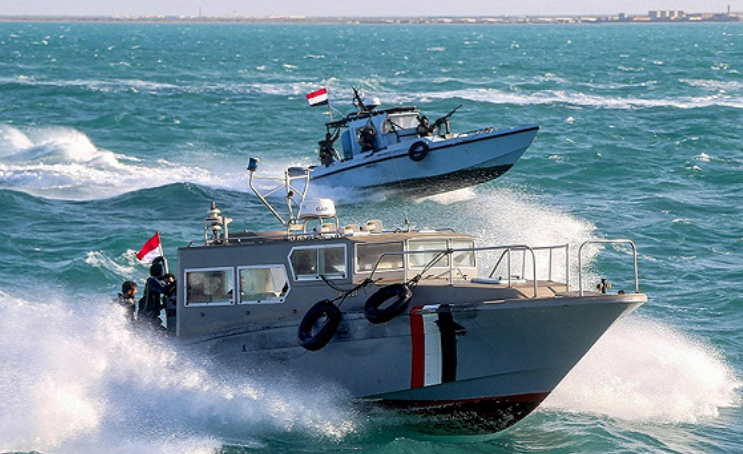
Oil prices increased marginally in Asian trade on Tuesday after rebounding strongly from near six-month lows, as traders tried to determine how disruptive a protracted war in the Red Sea will be for supply.
Missile and drone strikes on multiple vessels in the region, allegedly to the Yemeni Houthi group, prompted several shipping companies to say they will avoid the area, pointing to a much longer path around the Cape of Good Hope to bypass the Suez Canal.
BP PLC (LON:BP) and Frontline Ltd (NYSE:FRO) have stated that their tankers will avoid the waterway, and numerous other oil companies have expressed similar worries.
Because the Suez Canal is a vital shipping route between the two continents, the action is expected to affect crude supply to Europe and Asia. Oil exports from the Middle East will also travel a longer path to Europe and across the Atlantic.
Following the Red Sea attacks, oil prices surged substantially on Monday, continuing a recent bounce from their lowest levels since late June. On Tuesday, they experienced moderate strength.
Brent oil prices for February delivery increased 0.2% to $78.11 per barrel by 20:21 ET (01:21 GMT), while West Texas Intermediate crude futures rose 0.1% to $72.93 per barrel.
Supply disruptions are becoming more prominent as Middle East tensions rise.
Following an uptick in strikes by the Houthi group over the past month, traders were now on the lookout for any further evidence of disruptions in supply from the oil-rich Middle East region.
The group said that the recent operations, which included attacks on US Navy ships, were in reprisal for Israeli bombings on Gaza following a recent escalation in the Israel-Hamas conflict.
As a result of the conflict's potential to disrupt oil supply from the region, markets began pricing in a risk premium once more.
The United States recently vetoed a United Nations resolution calling for an immediate ceasefire in Gaza, garnering condemnation from a number of countries as the region's humanitarian crisis worsened.
The decision also raised the prospect of involving additional Middle Eastern nations in the fight, which may lead to a significant escalation.


Risk Warning: Trading financial instruments involves significant risk and may result in the loss of your invested capital. Please ensure you fully understand the risks and seek independent professional advice if necessary. This article does not constitute investment advice or a trading recommendation. Past performance is not indicative of future results.
Bonus rebate to help investors grow in the trading world!


