 English





 English


The Bank of England Will Hold Interest Rates Steady Through The Middle Of 2024, And Reduce Them In The Third Quarter

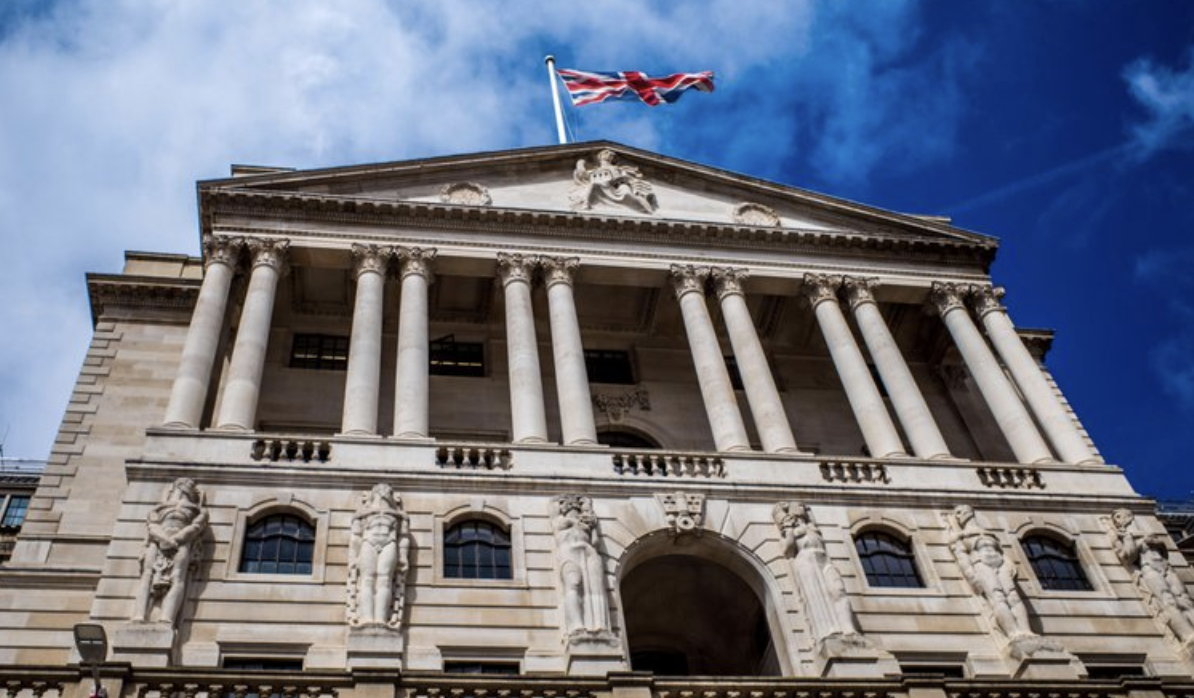
The Bank of England astonished the markets by not raising interest rates last week, sending the pound to a six-month low, but signalled that rates would remain elevated for longer.
The Monetary Policy Committee was split and voted 5-4 in favour of holding, amid a slowing economy and an unexpected decline in inflation, which it said it was not taking for granted.
Inflation was anticipated to rise in August, but it fell to its lowest level in 18 months, 6.7%. The Bank closely monitored the decline in core and services inflation, which was more pronounced.
Since December 2021, the BoE has increased interest rates by 515 basis points over the course of 14 consecutive rate hikes in an effort to curtail inflation, which was the highest among G7 economies. It crested at 11.1% in October 2022 and continues to exceed the BoE's target of 2%.
A cessation of rate hikes will be welcomed by many homeowners and small businesses that have experienced soaring borrowing costs, particularly considering that just a few months ago, markets had anticipated that BoE interest rates would reach 6% or higher as a result of persistently high inflation.
Over 75% of economists, 47 of 62 polled, anticipate that rates will remain unchanged when they are announced on November 2 (GBBOEI=ECI, 22-26 September poll).
ING Financial Markets' James Smith stated, "We do not rule out a rate hike in November, but it will likely require a large upside surprise in either services inflation or wage data."
"On a broader scale, the Bank has made it abundantly clear that it now considers the duration of high interest rates to be far more significant than their short-term levels."
Nearly one-fourth of respondents anticipated a final 25-basis-point increase to 5.50% in November.
This is a reversal from a poll conducted prior to the September meeting, in which nearly half, 30 of 65 respondents, predicted a quarterly apex of 5.75 percent or higher.
Still, more than 40 percent of economists, 15 of 37 who responded to an additional query, stated that the BoE should raise rates again this year. The remaining 22 stated that it should not be implemented.
James Rossiter, head of global macro strategy at TD Securities, stated, "If core inflation begins to rise once more, I believe the BoE will become very concerned, especially given that labour market data indicates wage growth is still quite robust."
In accordance with market expectations, median forecasts indicated that rates would remain at 5.25 percent until at least July. It was anticipated to decline to 5.00% and 4.75 % in the third and fourth quarters, respectively.
A third of 53 economists predicted the first rate cut to occur in the second quarter of next year, while the majority, 34 of 48, predicted rates to be at or below 5.00% in the third quarter.
Sixteen economists predicted that the Bank Rate would be 5.00% in the third quarter, ten predicted 4.75%, six predicted 4.50%, one predicted 4.25%, and one predicted 3.75%.
According to separate Reuters polls, the European Central Bank was expected to lower rates in the third quarter of 2019, whereas the Federal Reserve could begin in the second quarter.
According to a recent poll, British inflation will average 6.8% this quarter and 4.7% next quarter, and will remain above the BoE's 2% target until at least 2025. This year and next, growth of 0.4% and 0.5% was anticipated to occur.


Risk Warning: Trading financial instruments involves significant risk and may result in the loss of your invested capital. Please ensure you fully understand the risks and seek independent professional advice if necessary. This article does not constitute investment advice or a trading recommendation. Past performance is not indicative of future results.
Bonus rebate to help investors grow in the trading world!


