 English





 English


The Brazil Central Bank Initiates Rate Reductions More Aggressively Than Anticipated

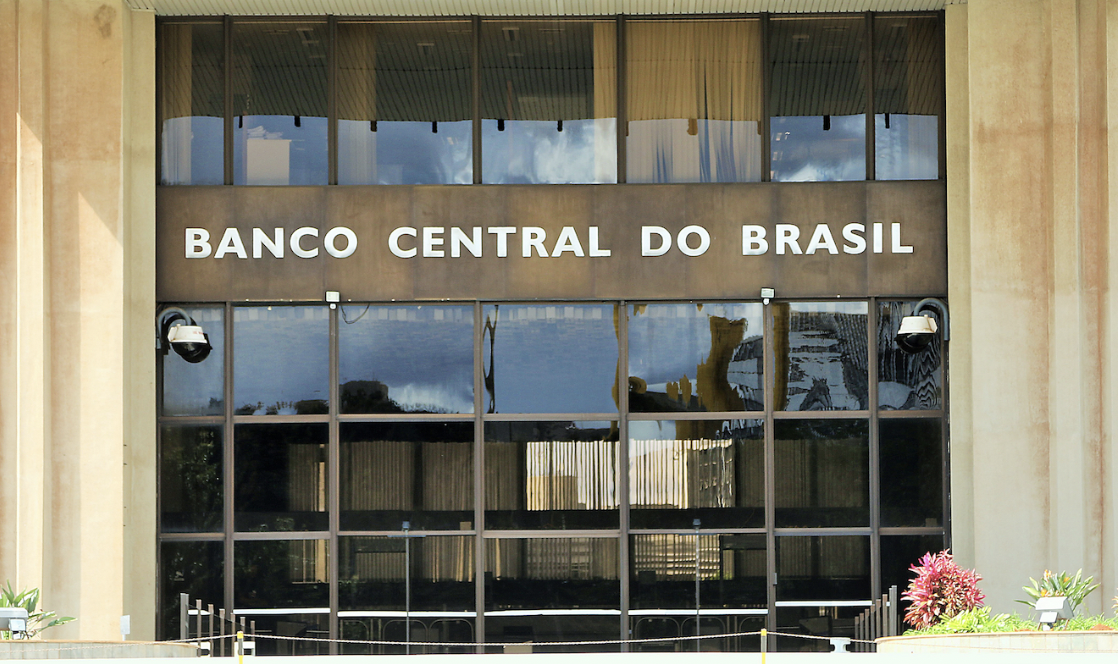
As predicted by only 10 of 46 economists surveyed by Reuters, the bank's rate-setting committee Copom reduced the Selic policy rate to 13.25%. The remainder anticipated a reduction of 25 basis points.
Following 1,175 basis points of rate increases to combat inflation, the world's most aggressive monetary tightening at the time, policymakers in Brazil reduced interest rates for the first time in three years in September 2022.
Although Wednesday's policy decision was narrowly divided, Copom's policy statement indicated a unified outlook to maintain the rate-cutting tempo in the coming months.
"If the scenario unfolds as anticipated, the Committee members unanimously anticipate further reductions of the same magnitude at the subsequent meetings," policymakers wrote, deeming this tempo appropriate for containing inflation.
In a note to clients, William Jackson, chief emerging markets economist at Capital Economic, stated, "The relatively dovish tone... suggests that policymakers' inflation concerns are dissipating more quickly than we anticipated."
"As a result, we now expect interest rate cuts to be more front-loaded," he added, revising his Selic forecast for the end of the year to 11.75 percent from 12.50 percent.
Five board members voted for a 50-basis-point rate reduction, while four board members voted for a smaller 25-basis-point rate cut.
It was the first time that two of President Luiz Inacio Lula da Silva's nominees to the central bank's board participated in a Copom policy meeting, with central bank chief Roberto Campos Neto joining them in voting for a more aggressive interest rate reduction.
Lula has publically criticised Campos Neto, a holdover from his predecessor on the right, for maintaining stable interest rates despite falling inflation. Earlier on Wednesday, Finance Minister Fernando Haddad urged for a 50 basis point rate cut.
Later, Haddad applauded the decision, complimenting Campos Neto for his willingness to engage in dialogue and promising "harmony" between fiscal and monetary policy.
With new fiscal rules in Congress and a landmark reform of consumption taxes, Lula's leftist government has alleviated investor concerns. In a decision last week to upgrade Brazil's sovereign rating, Fitch Ratings acknowledged the government's economic agenda's progress.
As of mid-July, Brazil's 12-month consumer inflation rate was 3.19 percent, which is below the official target of 3.25 percent set by the Brazil Central Bank for this year.
The second half of the year is anticipated to witness a resurgence of inflation due to less favourable base effects. Wednesday, the central bank revised its inflation forecast for 2023 from 5.0% in June to 4.9%.
Copom stated that rate cuts are consistent with its strategy to bring inflation down to its target over the pertinent monetary policy horizon, which now includes 2024 and 2025.
The inflation target for Brazil is 3% for both years. In their statement, policymakers projected that consumer prices would increase by 3.4% in 2024 and 3.0% in 2025.


Risk Warning: Trading financial instruments involves significant risk and may result in the loss of your invested capital. Please ensure you fully understand the risks and seek independent professional advice if necessary. This article does not constitute investment advice or a trading recommendation. Past performance is not indicative of future results.
Bonus rebate to help investors grow in the trading world!


