English




BoJ Rate Hike: Japan Raises Interest Rates to 1% for the First Time Since 1995

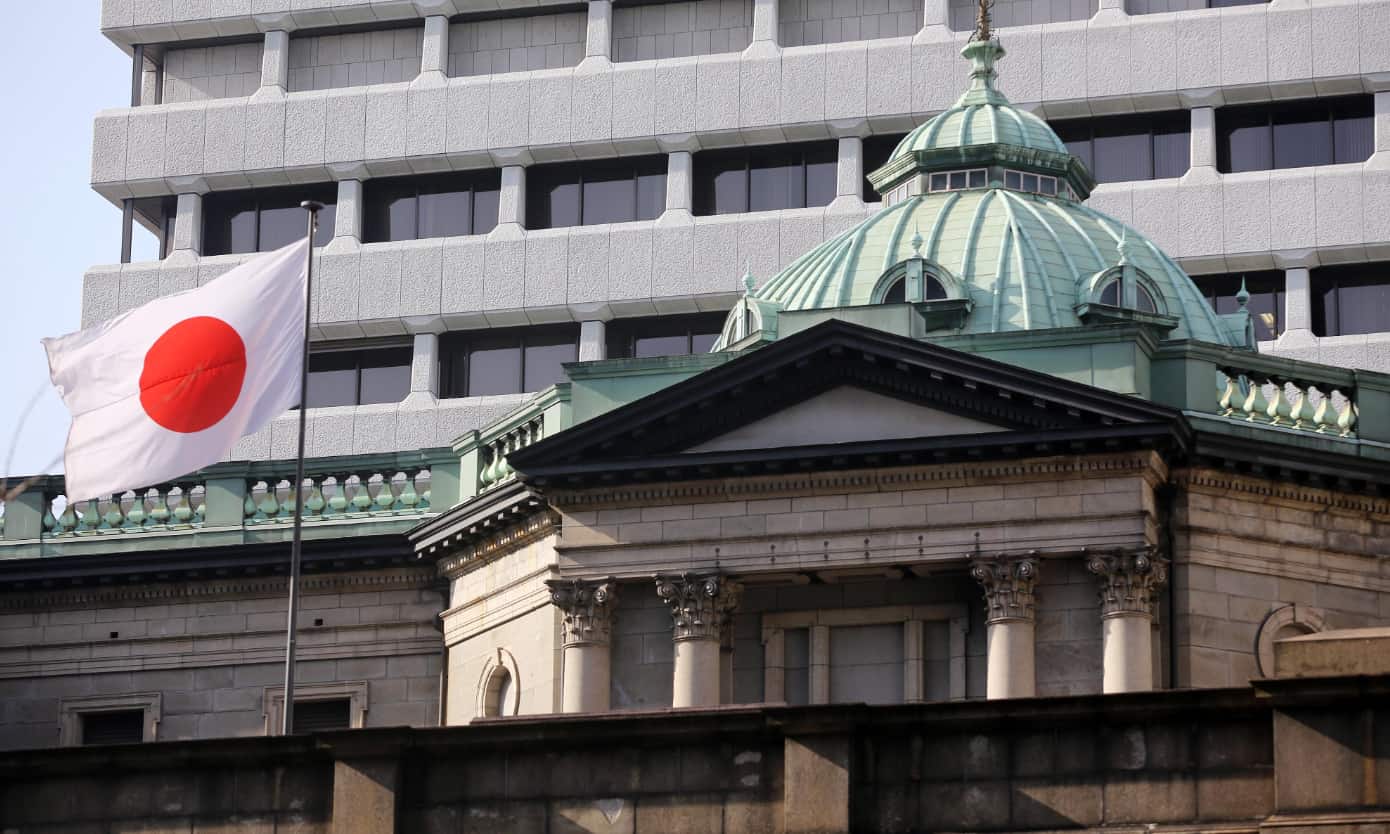
The Bank of Japan raised its policy rate by 25 basis points to 1.00% on Tuesday — the highest level since 1995 — in a 7-1 vote that ended three consecutive meetings of unchanged rates. The decision was widely anticipated and marks another step in what BOJ officials have increasingly described as a return to normal monetary policy after two decades of near-zero rates and deflation management.
The decision came with one notable absence: Governor Kazuo Ueda missed the meeting while hospitalised for treatment of an infected liver cyst, though he has expressed an increasingly hawkish stance in recent months. The remaining policy board proceeded without him.
For a central bank that held rates at or below zero for most of the past 20 years, a policy rate of 1% represents something more than a technical adjustment. It is a structural signal.
What Drove the Decision
The proximate cause is energy-driven inflation transmitted through the Iran war. Japan imports the vast majority of its oil and gas from the Middle East — a dependency that makes the Strait of Hormuz disruption unusually painful for its wholesale price level. Japan's wholesale prices climbed more than 6% year-over-year in May, the fastest pace in three years, as elevated crude prices fed through the production chain.
The paradox is that Japan's headline consumer inflation rate of 1.4% in April still sits below the BOJ's 2% target — making this a pre-emptive hike against anticipated inflation rather than a reactive response to an overshoot. BOJ economist Jesper Koll framed it plainly: "After twenty years of deflation, Japan is now in an inflationary upcycle. Emergency/crisis management monetary policy is no longer needed."
The yen's persistent weakness against the dollar and euro added a second layer of pressure. University of California San Diego professor Ulrike Schaede noted "a sense that the yen is too cheap" — and that a rate hike to support the currency "will not hurt" given the inflationary environment. A cheaper yen amplifies the cost of energy imports denominated in dollars, creating a self-reinforcing inflation loop that the BOJ is trying to interrupt.
What the BOJ Also Decided on Bond Purchases
Alongside the rate hike, the BOJ announced a specific tapering schedule for Japanese government bond purchases. From now until January–March 2027, the BOJ will reduce monthly JGB purchases by approximately 200 billion yen per calendar quarter. Starting April 2027, monthly purchases will stabilise at approximately 2 trillion yen.
The bank also reserved the right to increase purchases or conduct fixed-rate operations if long-term interest rates rise rapidly — a flexibility clause designed to prevent the tapering schedule from triggering a disorderly sell-off in the JGB market, which has already seen unprecedented volatility as the BOJ withdraws from decades of ultra-loose policy.
The 7-1 majority vote signals broad internal consensus, though the single dissenting vote is a reminder that not every board member is convinced the inflation picture justifies tightening at this pace while the economic outlook remains uncertain.
The Trade-Off the BOJ Cannot Escape
Japan's government carries one of the highest debt-to-GDP ratios among developed economies. Higher interest rates increase the cost of servicing that debt directly, creating fiscal pressure that compounds with every hike. The BOJ's own statement acknowledged the trade-off: upside risks to prices must be weighed against downside risks to economic activity before each move.
Prime Minister Sanae Takaichi, historically associated with expansionary fiscal policy, has not publicly criticised the rate hikes since taking office — a political accommodation that gives the BOJ room to act. But the structural tension between a highly indebted government and a central bank trying to normalise rates is not resolved by a single meeting's consensus.
Even at 1%, Japan's policy rate remains far below the 3%-plus levels prevailing in the US and UK, both of which are expected to hold rates at their own meetings this week. The differential still structurally pressures the yen, though less severely than when Japan was at 0.75% and the Fed was pricing further hikes.
Schaede's framing captures the longer-term significance: what Japan is doing could signal "a slow global realignment" — a world in which even the last major holdout of ultra-loose monetary policy has joined the tightening cycle, removing one of the anchors that has suppressed global risk-free rates for a generation.
What to Watch Next
The BOJ's next meeting will test whether the April–June 2026 CPI data provides justification for another move. A consumer inflation reading that closes toward the 2% target — particularly if wholesale price pressures continue transmitting downstream — would put a 1.25% policy rate into analytical discussion before year-end.
The yen's response to Tuesday's hike, and whether USD/JPY sustains below the 160 intervention threshold, will be the market's real-time verdict on whether the hike was sufficient to change the carry trade calculus that has driven yen weakness throughout 2026.
FAQ
Did the BOJ raise rates unanimously? No — the vote was 7-1, with one dissenting board member opposing the hike.
Why did Governor Ueda miss the meeting? He was hospitalised for treatment of an infected liver cyst, though he has expressed an increasingly hawkish stance in recent months and the board proceeded without him.
Is Japan's inflation above the BOJ's target? Not yet — headline CPI was 1.4% in April, still below the 2% target. The hike is pre-emptive, driven by wholesale price pressure and yen weakness rather than a consumer inflation overshoot.
What happens to JGB purchases from April 2027? Monthly purchases stabilise at approximately 2 trillion yen, following a tapering of roughly 200 billion yen per quarter between now and January–March 2027.
How does this affect USD/JPY? The 160 level remains the key intervention threshold to watch. Whether Tuesday's hike is sufficient to shift the carry trade calculus — and sustainably strengthen the yen — is the market's real-time test of the decision's effectiveness.


Bonus rebate to help investors grow in the trading world!