English




Goldman: Gold 13% Sale Won't Last; Central Bank Buying to Push Prices to $5,400

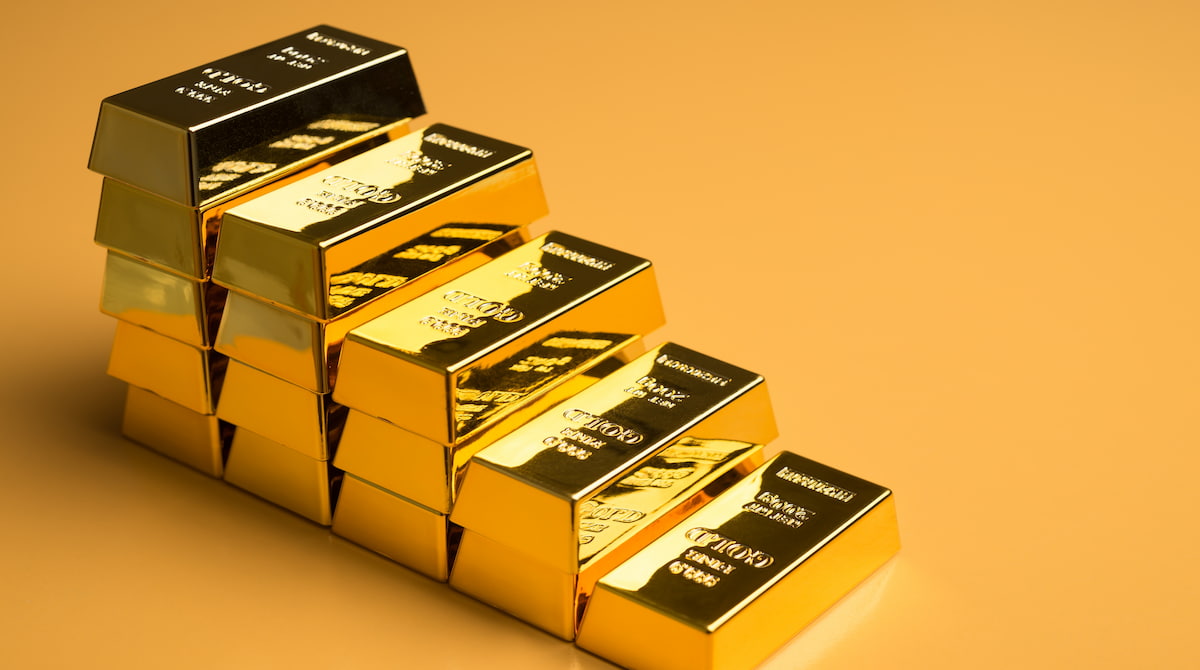
Gold prices have dropped 13% since the Iran nuclear deal began, but Goldman Sachs is still optimistic and sees a rise in prices by the end of the year, with a goal price of $5,400 an ounce.
Lina Thomas and Daan Struyven, two experts at Goldman Sachs, wrote in their most recent report that the medium-term outlook for gold is still positive. They said that continued central bank buying and the Federal Reserve's possible two more rate cuts this year will be the main factors behind a gold price rebound.
They also said that there are still "tactical downside risks" for gold prices in the short term. For example, if the energy supply shock gets worse, prices could drop to $3,800 an ounce.
The bank thinks that the current correction has been "overcorrected," meaning that the market has paid too much attention to inflationary forces and not enough to the drag from economic growth. Concerns about growth have always dominated market trends, which means that the current price of gold fully reflects, or even over-indulges, negative factors.
Reasons for the pullback: Forced selling coupled with expectations of tightening monetary policy
Gold prices have dropped by 13% in about a month since the war started. This selling was caused by two things: first, the sharp drop in the stock market made buyers need cash quickly, so they sold their gold positions; second, the market started to price in the possibility of tighter monetary policy.
They said that the current amount of repricing has been "significantly overshooting." This is because the market overestimated the weight of the inflationary channel while ignoring the drag effect of slowing economic growth.
They said that in the past, worries about growth have been the main factor that affected gold's performance, and that the current price level already suggests that there is a lot of room for improvement.
Central bank buying: Official departments will accelerate their entry into the market again.
Goldman Sachs thinks that central banks will buy more gold, averaging about 60 tons per month, as price instability slowly levels off over the next few months. This prediction is based on the idea that private sector spending will stay the same or even go up a little more.
There were worries that some central banks might sell gold to support their currencies, but the study says that these worries are unfounded.
Because Gulf countries have a "generally pegged exchange rate system to the US dollar," the study says they are more likely to change their exchange rates by selling US Treasury bonds than by selling gold reserves. This analysis shows that worries in the market about central banks lowering their gold stocks are greatly exaggerated.
Upside and Downside Scenarios: Two-Way Risks Amid Geopolitical Games
The report outlines gold price trends under two extreme scenarios.
In the downside scenario, if the energy supply shock continues to intensify, gold prices risk falling to $3,800/ounce. In the upside scenario, if the conflict in Iran prompts more capital to accelerate its withdrawal from "traditional Western assets" for diversified allocation, the upside potential for gold prices will be substantial.
The two key pillars supporting the report's year-end 2026 gold price prediction of $5,400/ounce are the possibility of two Fed rate cuts this year and ongoing central bank gold purchases.
Although geopolitical concerns have caused short-term volatility, the bank thinks that their structural effect of encouraging asset diversification will be a major motivator for rising gold prices in the medium run.


Bonus rebate to help investors grow in the trading world!