English




Google Launches Googlebook — Its Most Direct MacBook Challenge Yet

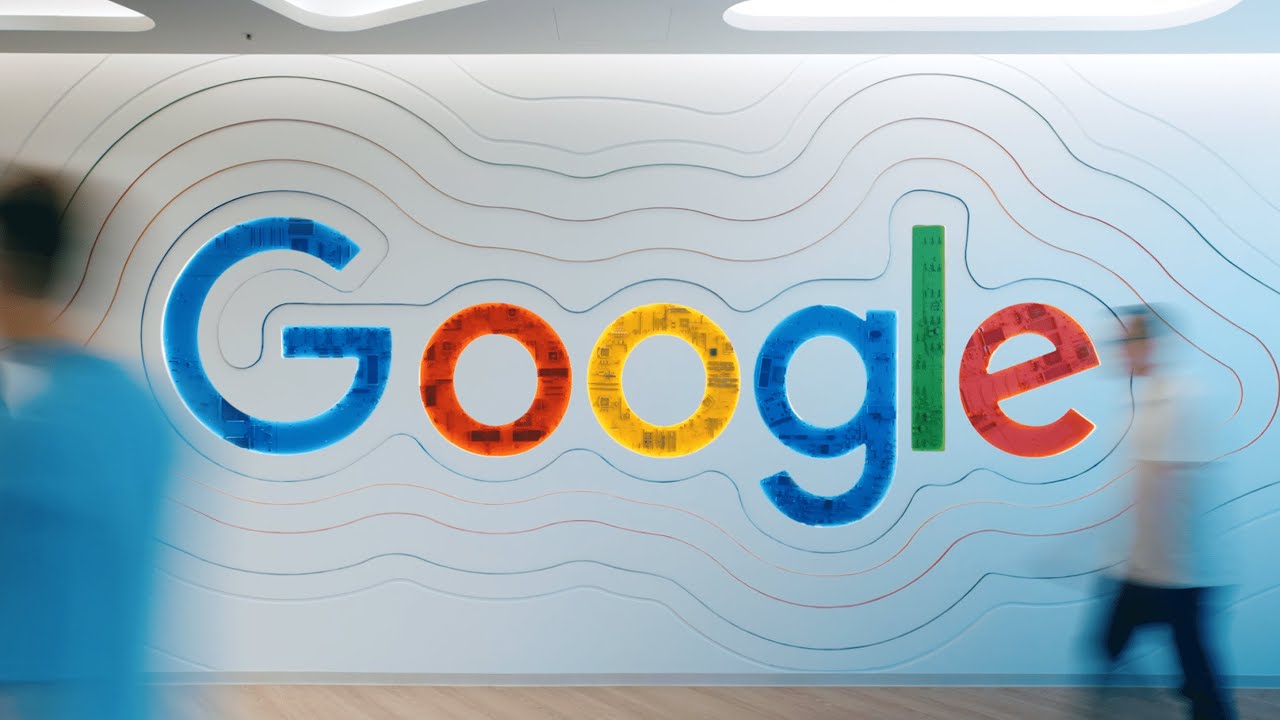
Google announced the Googlebook, a new type of laptop that is based on Android and was created from the ground up around Gemini AI.
It is the company's biggest hardware platform bet since the Chromebook and its first direct threat to Apple's MacBook in years. It is official that HP, Dell, Lenovo, Acer, and Asus will work together to make products. The devices will show up this fall. Prices and a full list of gear are still unknown.
The pitch is simple and big: Gemini will be your laptop's main screen, not just a chatbot you open in an app.
What Googlebook Actually Is — and What It Replaces
The Googlebook is not a new Chromebook. It's based on the Android technology stack instead of ChromeOS. It combines Google Play and the app ecosystem on Android with ChromeOS's browser base, security design, and support for extensions. Google calls it a whole new category: a laptop built around AI help instead of an operating system built around apps.
Three times during Google's press briefing, the Chromebook question was brought up, but no straight answer was given. Google promised Chromebooks would be "supported for their lifetime" for 10 years, especially in schools, and they confirmed that new features will keep coming out.
However, a laptop running Android that comes out with big PC brands and is marketed as a high-end AI device can be used instead of a Chromebook, even if Google doesn't say so directly. People who already have Chromebooks are fine during their service window. What happens after that is a different story.
Samsung is missing from the list of approved partners, even though they already make laptops that run Android. "I would not be surprised if this list expands" was Google's answer, which is not a real answer and suggests that either talks are still going on or the businesses were purposely left off the list from the start.
The Three Features That Define the Googlebook Experience
The most important element and the most technically ambitious claim is the magic pointer. It rethinks the laptop pointer as a Gemini-powered contextual tool. It was made in collaboration with Google DeepMind. If you move the mouse over any part of the screen, you can see what you can do and how you can interact with it without having to type a prompt.
A user selected two pictures in Google's demo, and Magic Pointer offered to make a poster out of them. It then opened Gemini and made one. Every preview of a new feature raises the question of whether that fluidity can be used in the real world. Only releasing hardware can answer that question.
With Create Your Widget, users can tell Gemini to make custom desktop widgets that are linked to Gmail, Calendar, and other apps. These widgets can be used as dashboards for trip plans, reservations, countdowns, or any other routine task. It's already possible to get this function on Android phones, and now it's also available on Googlebooks.
The third base is the phone integration. With Cast My Apps, users can bring up an Android app on their phone and see it on their Googlebook screen without having to download it. For example, they could check on a food delivery or finish a Duolingo lesson without having to switch devices or lose their place.
You can see phone files directly in the file browser, so a PDF you got on your phone during the day shows up in the file browser on your laptop without having to email it or use a cable. For people who are deeply involved in the Google and Android environment, this is a big step forward in terms of quality of life compared to how things work now across devices.
The Competitive Stakes: AI PC Race Is Now Three-Way
With the launch of the Googlebook, Google is now directly competing with Microsoft and Apple in the AI PC market for the past 18 months. Qualcomm's Copilot Plus PCs have brought AI reasoning to Windows laptops. These PCs have on-device AI features like Recall, Cocreator, and real-time translation. Because Apple Intelligence is built into both macOS and iOS, the relationship between the MacBook and iPhone is stronger than it has ever been.
It's Google's belief that Gemini, as an intelligence layer that is proactive, relevant, and built into the cursor rather than sitting in a sidebar, will be a bigger change for users than either of its competitors. By integrating the Android app ecosystem, Googlebooks can access a software library that ChromeOS never had. This fixes one of the biggest complaints about Chromebooks in work settings.
Google is clearly going after the same MacBook and high-end Windows user that Chromebooks never really managed to reach, as shown by the fact that all of the devices have a unique glowbar design. At prices that haven't been released yet, that goal will be put to the test for the first time.
For investors in Google (NASDAQ: GOOGL), Googlebook is a platform bet that Gemini will become the most popular AI interface layer in computing. It will go beyond search and mobile and cover the laptop, which is still where most business and professional work gets done. The Android-native architecture, five big OEM partners, and the fall launch date all point to this being a serious multi-year product commitment, not just an idea.
There are real dangers: The usefulness of Magic Pointer needs to be proven outside of demos, the switch to Chromebooks is politically touchy, and the AI PC market is still being fought over by Microsoft's built-in Windows AI and Apple's highly integrated ecosystem.
However, the fact that Googlebooks are sold by HP, Dell, Lenovo, Acer, and Asus gives them a market reach that no other Google hardware project has had before. Google I/O, which is coming soon, should have all the information that today's statement purposely left out. That is the next thing that you should look at.


Bonus rebate to help investors grow in the trading world!