English




Brent Tops $106 as Trump Says "Don't Rush Me" on Iran War End

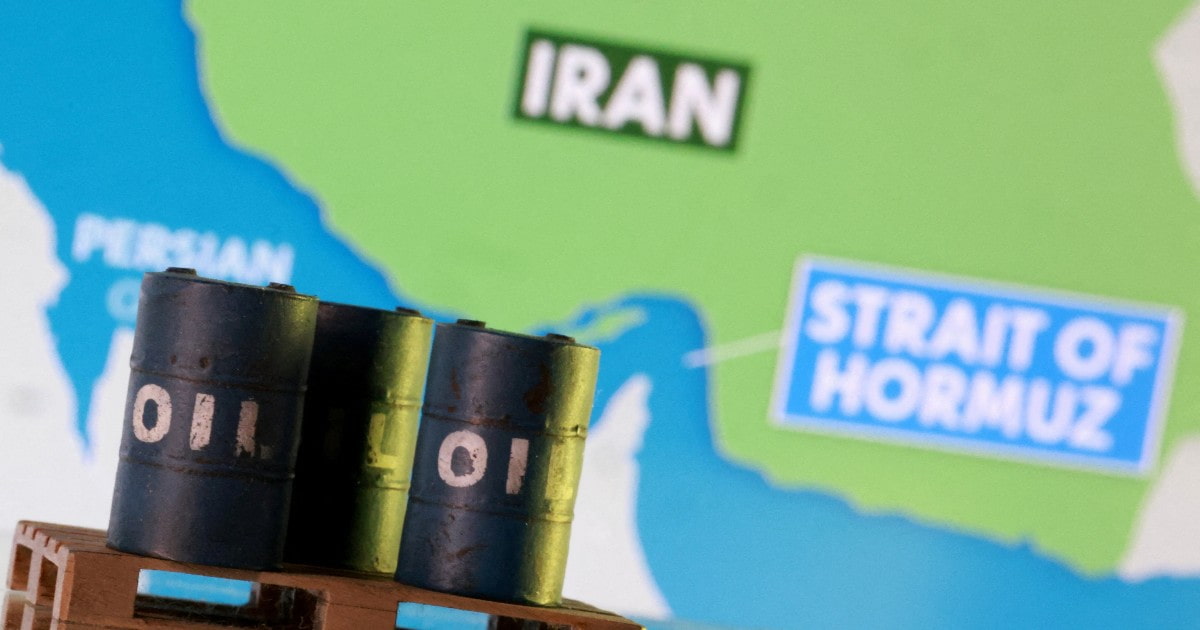
Friday, Brent crude rose 1.4% to $106.57 a barrel and WTI rose 1.3% to $97.06 a barrel. This ended a week in which both benchmarks gained between 15% and 18%, which was one of the best weeks in months.
This was because the conflict between the U.S. and Iran showed no signs of ending and supply problems through the Strait of Hormuz got worse instead of better.
When reporters at the White House asked President Trump on Thursday when the war with Iran would end, he simply said, "Don't rush me." This was the most important comment of the week. The markets took it as confirmation that the war will last forever, and oil prices reflected that.
Why Prices Are Rising Despite an Indefinite Ceasefire
When you look more closely, the perceived contradiction of oil prices going up while a ceasefire is supposed to stay in place quickly falls apart. The ceasefire, which Trump extended indefinitely earlier this week, happened at a time when peace talks in Pakistan were mostly falling apart.
Iran wanted the U.S. to lift its naval blockade before any talks could happen, and Washington wanted the whole Strait of Hormuz to be opened again before any big deal could be made. Both conditions are still not met. The extension of the truce does not help end the deadlock between the two sides.
Things are getting worse on the ground, or more accurately, on the water. This week, Iran attacked and captured ships trying to cross Hormuz. They put out videos of IRGC soldiers storming a ship and bragging about their fast-boat attack skills in the strait.
In response, the U.S. seized Iranian boats that were trying to get around the barrier and told the Navy to attack any Iranian boats that were putting mines in the water. Iran's top mediator for the talks that were set up by Pakistan quit. Trump said that Iran might have reloaded its weapons during the pause and that the US is ready to stop any such buildup.
Air strikes in and around Iran reported Thursday triggered Thursday's sharp crude spike. Trump's late-evening statement that he saw no need to rush a deal extended the gains into Friday.
The Physical Supply Reality: Hormuz Still Closed, Alternatives Inadequate
Since late February, the Strait of Hormuz has been basically closed. This is almost two months of continuous problems with the route that brought about 20% of the world's oil before the war. Saudi Arabia and the UAE have been sending cargo through different ports at Yanbu and Fujairah.
The total amount of cargo loaded has increased to about 6.5 million barrels per day, but that's only a small part of the 13 million barrels per day that ING estimates have been slowed down.
In some areas, the effect on secondary demand is starting to show up. India gets almost all of its crude oil from other countries. Historically, the Strait of Hormuz has been the route for about 60% of its crude oil imports, 50% of its LNG imports, and 90% of its LPG imports.
An increase of $1 per barrel in oil prices over a year adds about ₹16,000 crore to India's yearly import bill. Indian oil marketing companies that are run by the government are losing about ₹100 per litre on diesel and ₹20 per litre on gasoline. The government is taking the hit by lowering excise duties instead of passing the costs on to customers.
What Washington Is Planning If the Ceasefire Breaks
Along with the political deadlock, the military situation is getting worse. CNN reports that the U.S. military is working on new ways to attack Iran's weapons in the Strait of Hormuz if the current ceasefire breaks down.
Trump has already told the Navy to attack Iranian boats that are putting mines in the waterway. This order means that fighting could start up again at any time, even though the official state of the ceasefire is "ceasefire."
Trump also denied that Iran was divided within itself, saying again that Iran is "in disarray" and blamed the lack of clear leadership in Iran for the lack of progress in negotiations.
In response, Iran's President Masoud Pezeshkian wrote in a public statement, "In Iran, there are no radicals or moderates; we are all 'Iranian' and'revolutionary.'" This was meant to contradict Trump's story of a divided Tehran and show that all Iranians would not agree to a settlement on Washington's terms.
The price of $106 Brent shows that the market has given up on short-term peace talks and is now pricing in a longer war. Trump's refusal to set a deadline, the failure of talks held by Pakistan, and the active military posturing in Hormuz all point to a long standoff that will keep supplies from getting to markets until at least the second quarter of 2019. The weekly gain of 15–18% is not a momentum trade; it is a fundamental repricing of how long the war will last.
The next thing that will move prices can do both up and down. A sudden diplomatic victory, which is unlikely given how things are now, could quickly erase 10–15%.
If Iran retaliates against Gulf energy infrastructure or the United States starts attacking again on a large scale, the $115–$120 range that Goldman Sachs has been calling the worst-case situation becomes available again.
With Trump making it clear that he doesn't want to rush things and Iran making it clear that it won't negotiate while the blockade is in place, neither option is likely to happen soon.


Bonus rebate to help investors grow in the trading world!