English




Oil Jumps 7% as US Seizes Iran Ship and Hormuz Closes Again

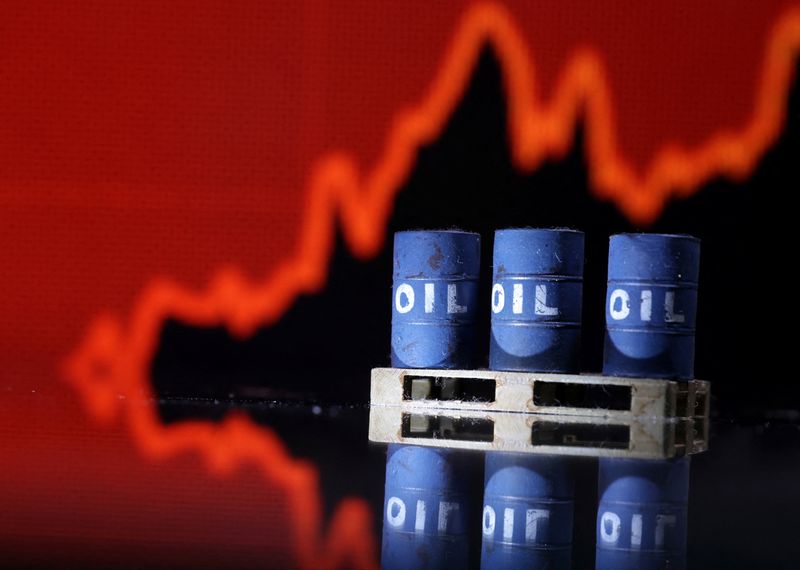
Brent crude prices rose as much as 7% to $97.50 a barrel in early Asian trade on Monday before settling at $95.14. WTI prices rose 6.4% to $87.90, undoing most of Friday's drop of more than 9% and making it one of the most volatile weekends for oil trading in the whole war. A series of events that happened in just 48 hours showed the markets why they can't trust any one diplomatic or tactical signal in this war.
In the past few days, Iran opened the Strait of Hormuz. It shut down again in less than 24 hours. Iran fired on a number of ships that were trying to cross. A cargo ship flying the flag of Iran that tried to get around the American military blockade was then taken by the US. Tehran promised to fight back. The war between the US and Israel against Iran began its eighth week in a row with peace talks in shambles and only two days left until the ceasefire deadline on April 21.
The Hormuz Whipsaw: Why Friday's 9% Drop Was Premature
When Iran said it would close the Strait on Friday, the price of oil dropped because people thought the opening would last. It wasn't. Within 24 hours, Tehran blocked trade again and fired on ships that were trying to pass.
After that, a U.S. destroyer seized an Iranian-flagged cargo ship that was trying to get around the blockade. This led to an immediate threat of retaliation from Iran and made any return to normalcy in the Hormuz even further away than it seemed before the short opening.
"Markets may have priced in an overly quick return of energy flows," OCBC analysts wrote in a note on Monday. "The standoff looks like it will last a long time because both sides are testing how much pain they can handle." In the short run, there will likely be some risk wobble and a USD rebound.
A little over a fifth of the world's oil still comes from this route. The short opening and quick closing showed that even partial access to the Hormuz is completely dependent on political decisions in Tehran, which can be overturned within hours.
This means that there are structural limits on how far any relief rally can go and how quickly oil can retreat on signs of de-escalation.
The Ceasefire Is Expiring and Talks Are Collapsing
The diplomatic schedule is just as important as the picture of the physical supplies. The two-week peace between the US and Iran ends on Tuesday, April 21, and there are multiple things blocking the way to extend it at the same time.
Trump said that U.S. representatives led by Vice President JD Vance would go to Pakistan on Monday night for more talks. The Iranian government-run media flatly denied that frame. According to Tasnim News Agency, Tehran had not sent a team to Islamabad for talks and would not do so as long as the U.S. naval blockade of Iranian ports and ships, which was put in place last week as extra pressure, was still in place.
The blockade was a big step up in the situation. It was put in place after ceasefire talks in Pakistan last weekend didn't lead to much progress. It shows that Washington is tightening the economic vice while also trying to find a political solution, which is what Tehran is using as an excuse to stop all further talks.
What OCBC says about the endgame is probably the most fair way to look at it: the deal will still go through "albeit via a messy path of brinkmanship with elevated tail risk." It's clear that the way is messier than how markets priced it even a week ago.
Supply Context: Eight Weeks In, No Resolution Timeline
At the height of the war, the price of oil rose to almost $120 a barrel. However, it has lost a lot of its value over the last two weeks as Trump's comments about peace talks have raised and dashed hopes for a resolution many times. The present range of $95–$97 for Brent shows that the market no longer thinks that Hormuz will open soon, but it hasn't fully priced in a permanent closure either.
The supply shock is still measured by ING's estimate that about 13 million barrels per day of flow have been interrupted. Every day that the Strait stays closed has an effect on global commercial inventory levels, shipping insurance costs, and the economics of buying crude at refineries. These effects will keep crude prices high even after a formal ceasefire is declared, since the IMF said last week that supply recovery would take two years.
The market's next binary event is the end of the truce on April 21. The diplomatic window stays open as long as there is an extension, even if it is conditional or contested. Brent prices are expected to stay between $95 and $100.
When a major breakdown happens and Iran responds to the ship seizure, the way back to $110–$115 is quickly opened up. The 7% increase on Monday due to events over the weekend shows how quickly prices can change when the status of Hormuz changes. Position sizes should be adjusted accordingly, and any single de-escalation story should be taken with a grain of salt until it is confirmed by visible tanker traffic data.


Bonus rebate to help investors grow in the trading world!