English




Samsung's Wage Deal Hits Record Stock High — But Three Risks Remain

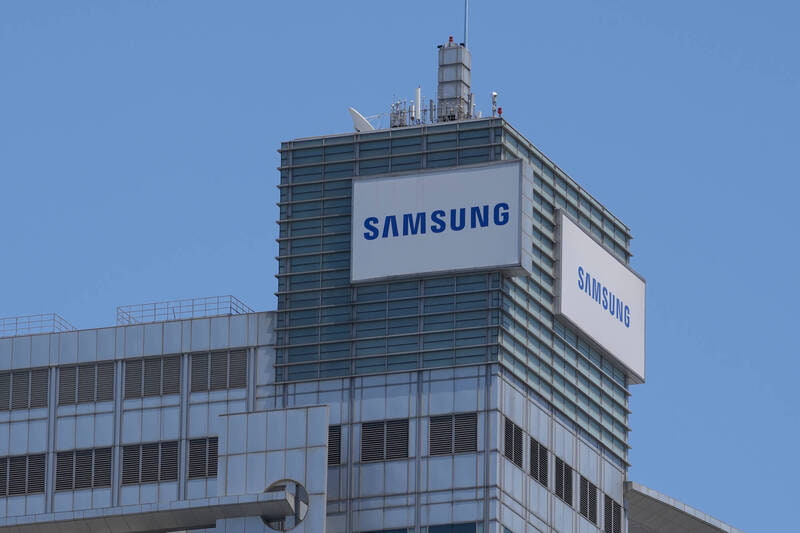
Samsung Electronics shares surged more than 7% intraday on May 27 to hit 323,000 won — a record high since the company's 2018 stock split — after its largest union ratified a compensation agreement with a 73.7% approval rate, averting a strike that had been 90 minutes from beginning. The deal gives semiconductor division workers an average bonus of approximately 513 million won ($340,000 USD), tied to 10.5% of operating profit from the chip business, alongside a 6.2% average wage increase and a new housing loan facility capped at 500 million won per employee.
Capital markets responded exactly as you'd expect. Samsung's stock had dropped over 4% when negotiations collapsed on May 20. It had already recovered 8%-plus before the formal agreement was signed. The ratification added another leg. The market has, in the most literal sense, voted with money that a Samsung without an imminent labor disruption is worth more than one facing one.
What the stock price doesn't yet reflect — and what three months of data will begin to reveal — is whether the agreement solved Samsung's problems or merely deferred the most damaging ones.
A $475,000 Average Bonus Sitting on Top of a 100-Fold Internal Pay Gap
The headline bonus number is striking. Samsung's semiconductor arm posted a 48-fold jump in profit in the March quarter, contributing 53.7 trillion won out of the company's total 57.2 trillion won in Q1 2026 operating profit — that's over 93% of group earnings from a single division. The performance bonus structure, drawing from 10.5% of that semiconductor profit pool, produces average chip worker payouts that Bloomberg calculated at approximately $340,000 USD.
Some memory unit employees are looking at 600 million won. Staff in the Device eXperience (DX) Division — the consumer electronics side of Samsung that makes phones, televisions, and appliances — face payouts of around 6 million won. That's a 100-fold gap sitting inside a single company, ratified by a union agreement that was approved by over 80% of chip workers and only 21% of non-chip staff.
Sejong University Business School professor Kim Dae Jong put it plainly: "This clears up a massive headache that's been hanging over them for months. But the way the deal went down left a lot of people at Samsung feeling pretty bitter — they will need to work on fixing this internal divide and getting everyone back on the same page."
The internal divide has already generated legal action. Union membership in the DX division surged from 3,000 to nearly 13,000 in response to the bonus disparity, and an injunction was filed to prevent the chip division's union from holding exclusive bargaining rights. The Suwon District Court dismissed that application on May 26 — allowing the vote to proceed — but the underlying grievance didn't disappear with the ruling.
The Korea Shareholder Action HQ separately announced plans to file a lawsuit alleging the profit-linked bonus plan was implemented without deliberation by the general shareholders' meeting. Of the two legal threats, this shareholder case carries more structural weight. An unfavorable ruling could force a fundamental restructuring of Samsung's compensation architecture — not just for this agreement, but prospectively. The DX union's procedural fairness complaint, while meaningful for internal morale, is narrower in its potential impact on corporate governance.
The HBM Order Share Question That the Stock Price Is Assuming an Answer To
Samsung's record high rests partly on an assumption the market is making but hasn't yet verified: that the company's HBM3E chips will capture meaningful order share in the AI supply chain now that the strike threat has cleared.
The technical milestone is real. Samsung's 12-layer HBM3E passed Nvidia's quality certification — a requirement for supply consideration that the company struggled to achieve while SK Hynix had already been shipping. But certification and order allocation are different things, and the current supply landscape makes Samsung's position more precarious than a quality approval alone would suggest.
SK Hynix's 2026 DRAM capacity is already pre-booked by customers. Micron's HBM capacity is sold out. The industry is running with essentially no spare buffer. In that environment, customers who locked in supply relationships with SK Hynix — particularly Nvidia, which has relied on SK Hynix as its primary HBM supplier — have limited commercial incentive to redistribute orders to Samsung even with certification in hand. Switching costs in high-stakes AI chip supply chains are real and not easily overcome by a quality certification arriving after supply commitments have already been made.
Samsung's share of the global HBM market remains substantially below SK Hynix's. If HBM3E order volume falls short of what current stock pricing implies, the consequences compound: Samsung misses the AI demand supercycle it needs to justify its valuation, and Nvidia potentially deepens its exclusive reliance on SK Hynix, making Samsung's path back to competitive market share even longer.
The labor disruptions earlier in the year have already created measurable operational damage. South Korean media reported that foundry production fell 58.1% and memory production dropped 18.4% on the day of the April union rally. Those aren't recoverable numbers — they represent chips that weren't made, capacity that wasn't available, and supply commitments that required management attention during a period when Samsung needed to be executing on HBM4 development. The strike may be averted. The months of management distraction that preceded the agreement are already in the past.
The Talent War Samsung Is Fighting on Two Fronts Simultaneously
The compensation agreement may have stabilized the labor situation inside Samsung's chip division, but it appears to have accelerated a talent mobility problem that will outlast any single wage deal.
JobKorea, a South Korean employment platform, reported that applications from Samsung semiconductor engineers to SK Hynix rose approximately 35% year-over-year in Q1 2026. Separate Korean media reporting indicated roughly 200 core Samsung engineers moved to SK Hynix in the preceding four months — a rate of attrition that, if sustained, represents meaningful institutional knowledge transfer to Samsung's primary domestic competitor.
The external threat is more acute. While Samsung was managing labor negotiations, Micron Technology initiated recruitment for HBM design roles in Seoul, offering annual compensation for principal-level positions of up to 300 million won plus equity. Business Korea interpreted the timing as a deliberate strategic move targeting Samsung engineers whose loyalty had been tested by months of internal conflict. Micron isn't building a Seoul recruitment presence because it lacks technical capability — it's doing it because Samsung's prolonged labor dispute created an opening to acquire engineers who might not have been reachable six months ago.
SK Hynix, by contrast, has abolished its bonus cap — a structural change that removes a ceiling on how much its best performers can earn. Samsung's new bonus system, while generous in aggregate, remains tied to divisional profit pools and operates within a framework that DX division employees have demonstrated they consider fundamentally unfair. The relative incentive structure favors SK Hynix for the engineers with the most options.
The compounding effect is worth naming directly. If Samsung loses HBM design and process engineering talent to SK Hynix and Micron during the precise window when HBM4 development is critical, the consequences aren't visible in this quarter's earnings — they appear in 2027 and 2028 when the next generation of HBM products determines competitive positioning.
Record Profits Behind a Record Stock Price That Hasn't Priced the Risks
The Q1 2026 numbers are extraordinary by any objective standard. 57.2 trillion won in operating profit, up 756% year-over-year, with the semiconductor arm accounting for the vast majority. Samsung employs approximately 78,000 people in its semiconductor division and is on track to be one of the world's most profitable companies this year. The scale of the AI-driven demand surge running through its chip business is genuinely historic.
The 323,000 won record high reflects all of that — and more. It reflects assumptions about HBM order share that haven't been confirmed. It reflects assumptions about the legal proceedings resolving favorably for current management. It reflects assumptions about talent retention holding through a period of maximum competitive poaching pressure. And it reflects assumptions about the DX division's internal resentment not materializing into operational disruptions that offset the chip division's gains.
None of those assumptions are unreasonable. But they are assumptions, and the stock price doesn't currently distinguish between the version of Samsung's future where all of them hold and the version where some don't.
Three Metrics That Define Whether This Rally Has Legs
HBM4 supply share in Nvidia's procurement. This is the number that matters most for Samsung's AI revenue trajectory. Certification is the prerequisite; allocation is the prize. Quarterly reports over the next two to three quarters will reveal whether Samsung's quality milestone translated into commercial momentum or remained a technical achievement without supply chain consequence. Any disclosure — from Samsung, Nvidia, or industry analysts tracking HBM shipments — that suggests Samsung's share is trailing expectations would reprice the stock sharply.
Judicial progress on the shareholder lawsuit. The Korea Shareholder Action HQ's case against the profit-linked bonus structure is the legal risk with the broadest potential commercial impact. A ruling that the plan required shareholder approval and must be restructured would force Samsung into a compensation negotiation it has already barely survived once — this time with a legal constraint shaping the outcome. Timeline and court rulings are inherently unpredictable, but monitoring the case docket matters for anyone holding Samsung shares over a multi-quarter horizon.
Core engineer attrition data. The 35% year-over-year increase in Samsung-to-SK Hynix job applications and the 200 engineer departures in four months are trailing indicators — they tell you what already happened. The leading indicator is whether Micron's Seoul recruitment campaign and SK Hynix's uncapped bonus structure continue attracting Samsung's most valuable technical talent through the rest of 2026. Samsung's management would almost certainly not disclose this metric voluntarily, but industry reporting, LinkedIn data, and analyst channel checks provide proxies.
The Bottom Line
Samsung Electronics has cleared the immediate obstacle. The strike that would have disrupted global chip supply, rattled AI hardware procurement chains, and handed SK Hynix a competitive windfall has been averted. The 73.7% approval rate and the speed with which the ratification followed the agreement suggest enough of the labor force recognized the deal's value, whatever their reservations about its internal distribution.
The record stock high and the $475,000 average bonus headline are both real. So is the 100-fold pay gap between chip and consumer electronics workers, the pending legal challenges, the talent competition from SK Hynix and Micron, and the unresolved question of whether HBM3E certification translates into meaningful Nvidia order share before HBM4 development cycles make the current generation less relevant.
Samsung has avoided the worst-case scenario. It hasn't secured the best-case one. The distance between those two outcomes — and the three metrics that will reveal which direction the company is traveling — is what the next quarter of reporting will begin to answer.


Bonus rebate to help investors grow in the trading world!