English




S&P 500 Blocks SpaceX Entry, Keeps Profitability Rule as $1.75T IPO Looms

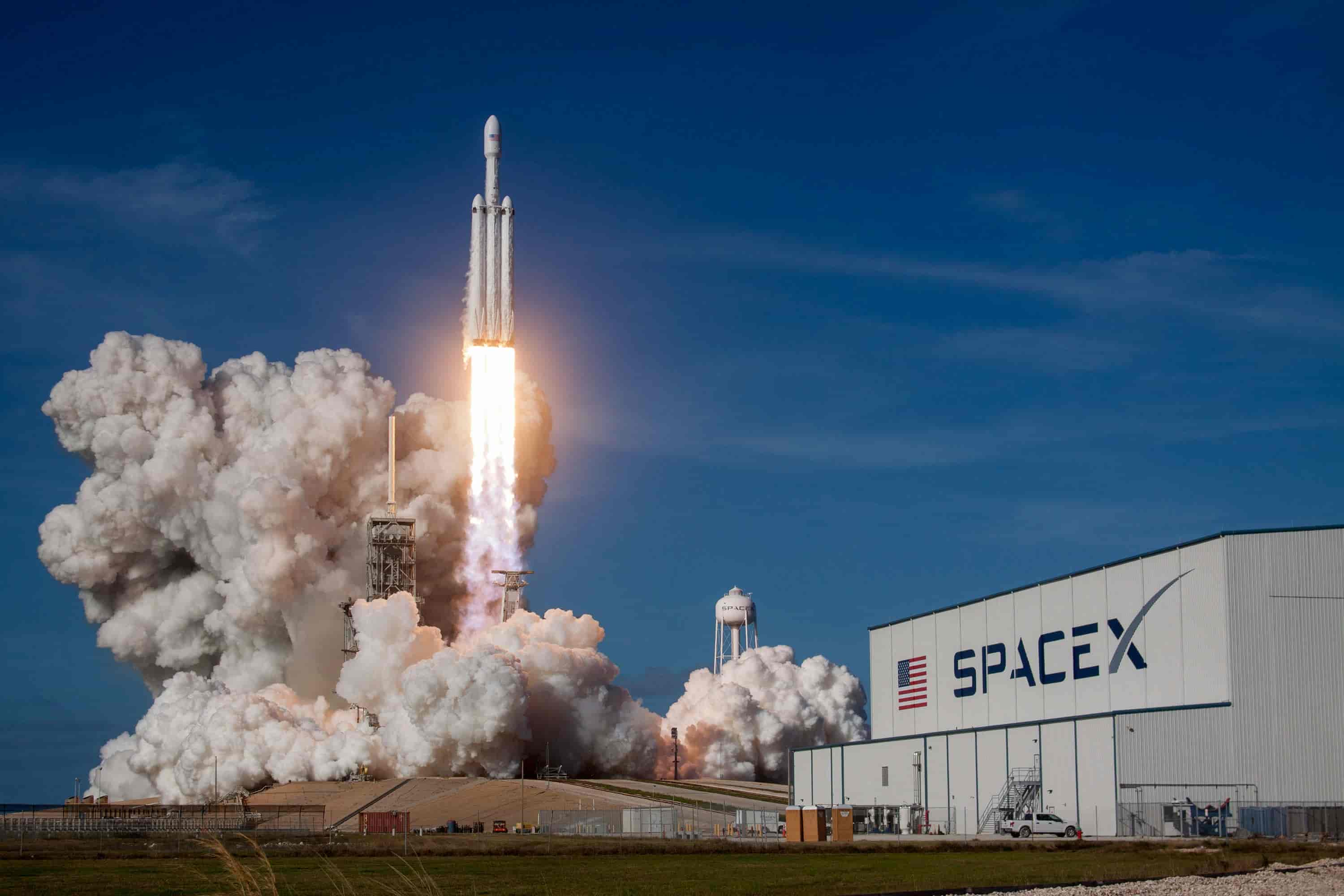
S&P Global announced on Thursday it will retain existing inclusion criteria for the S&P 500, effectively ruling out a swift entry for SpaceX following its planned IPO. The decision deals a setback to Elon Musk's space company, which is targeting $75 billion in revenue and a $1.75 trillion valuation — a figure that would immediately place it among the top 10 most valuable U.S.-listed firms.
The rulebook remains intact. Companies must meet three core requirements: profitability under US GAAP in the most recent quarter and the sum of the four preceding quarters; a minimum twelve-month exchange listing; and a sufficient free-float factor. "Exceptions to the requirements for financial viability, minimum listing duration, and free-float factor should not be granted solely on the basis of market capitalization," the official statement reads.
SpaceX does not qualify. The company posted a net loss of $4.94 billion in 2025, even as revenue rose 33% to $18.67 billion. It will also fail the twelve-month seasoning requirement following its IPO. S&P had consulted investors on possible adjustments — shortening the minimum listing period, abolishing the minimum free-float requirement, and removing the profitability criterion. The outcome was unambiguous: no exceptions.
Why It Matters: Trillions in Passive Flow
Index inclusion is not symbolic. Trillions of dollars worldwide are invested in passive funds that replicate indices on a one-to-one basis. When a company is added, corresponding funds are automatically required to purchase shares — creating substantial structural demand. For SpaceX and other long-private tech giants like Anthropic and OpenAI, index inclusion is a central IPO issue.
S&P Global's decision signals that rulebook integrity takes precedence over commercial interest in high-profile additions. Art Hogan, chief market strategist at B. Riley Wealth, said: "It speaks highly of the credibility of S&P Dow Jones Indices to be rules-based and make sure there's profitability before entrance to the index. Making exceptions because companies are so large and have been private so long yet are still not profitable, didn't make a great deal of sense."
The Competitors: Nasdaq and FTSE Opened Up
Other index providers moved faster. Nasdaq adjusted its rules on May 1 to enable SpaceX and other large new listings like Anthropic to join the Nasdaq 100 more quickly. FTSE Russell followed shortly with its own accelerated inclusion rules. Nasdaq 100 index funds will be forced to buy a sizeable portion of publicly available SpaceX shares when the company joins that index.
S&P Global created only a narrower pathway. It will modify entry rules for its broader S&P Total Market Index and the Dow Jones U.S. Total Stock Market Index — less widely followed benchmarks. SpaceX has also become eligible for the Russell U.S. Equity Indexes and the FTSE Global Equity Index Series under FTSE Russell's new fast-entry rules.
Exchange operators have ramped up efforts to boost IPO listings as richly valued tech firms edge closer to public offerings, amid concerns over a steady decline in the number of U.S.-listed companies. Musk has rewritten the IPO playbook in multiple ways — from planning to give retail investors a bigger allocation role to pushing for early index inclusion and structuring governance to preserve strong founder control.
$1.75 trillion is the valuation SpaceX is targeting — a number that would make it one of the largest U.S. public companies on day one. The S&P 500 blockade means passive inflows from the world's most tracked index are off the table until SpaceX posts four consecutive profitable quarters under GAAP and completes twelve months of public trading.
$4.94 billion is the 2025 net loss that keeps the profitability door shut. Revenue growth of 33% doesn't matter under S&P's rules. Only the bottom line does. Watch whether SpaceX's 2026 financials show a path to GAAP profitability — or whether the company remains structurally unprofitable as it scales Starship and Starlink.
The Nasdaq 100 is the alternative entry point. With Nasdaq's May 1 rule change, SpaceX could join that index within months of listing — unlocking passive fund buying from a different but still massive pool of assets. The FTSE Russell fast-track adds another pathway.
The S&P 500 profitability rule is the trade's clock. SpaceX's path into the world's most watched benchmark runs through the income statement, not the market cap table. The next four quarters of earnings will determine whether the S&P 500 door opens — or stays shut.


Bonus rebate to help investors grow in the trading world!