English




SpaceX Eyes $60B Cursor Deal to Take On OpenAI and Anthropic

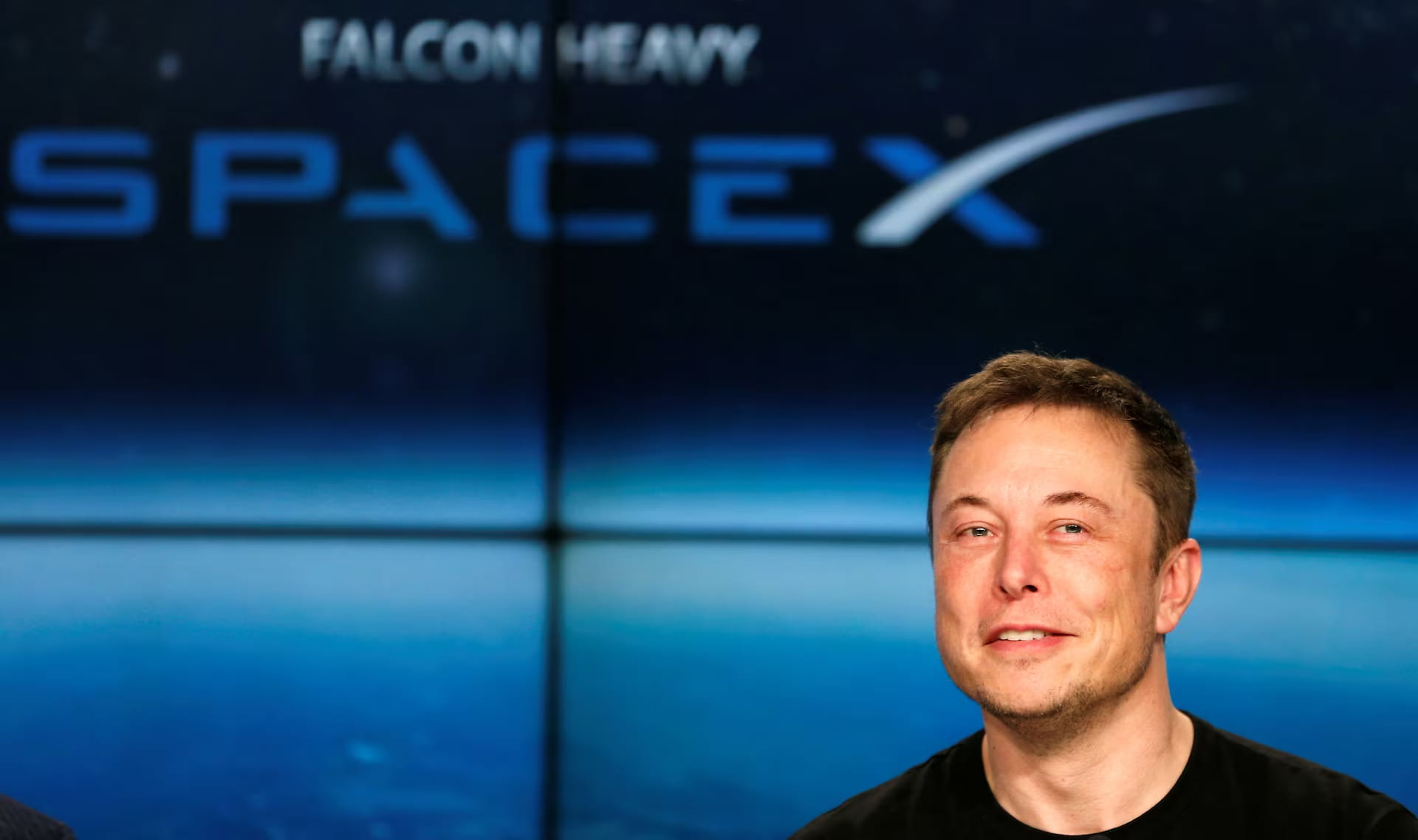
SpaceX has won the right to buy Cursor, one of the world's fastest-growing AI coding platforms, for around $60 billion in 2026. Alternatively, SpaceX can pay $10 billion for a deep joint development partnership on next-generation AI tools for coding and knowledge work.
The two-way system gives SpaceX strategic freedom, but it keeps Cursor from making deals with other big tech companies until the option is used or runs out.
"The combination of Cursor's leading product and distribution to expert software engineers with SpaceX's million H100-equivalent Colossus training supercomputer will allow us to build the world's most useful models," SpaceX announced on social media.
The deal targets the AI developer tools market directly — and specifically the ground that OpenAI's Codex and Anthropic's Claude currently dominate.
The Structure: Two Paths, One Strategic Lock
This scale makes the design seem strange. Instead of just buying the company, SpaceX negotiated a deal that lets them choose: they can pay $10 billion for joint research work and keep Cursor as an independent partner, or they can pay $60 billion to buy the company outright.
Until then, both paths give SpaceX access to Cursor's users and engineering ability. They also stop any competitor from buying Cursor during that time.
The public announcement came at a time when greater integration was already taking place. Andrew Milich and Jason Ginsberg, two senior engineers at Cursor, have already quit the company to work directly for xAI and report to Musk.
Engineers at Cursor are constantly training models on tens of thousands of xAI chips that are part of the Colossus supercomputer. The formal option structure is the legal basis for a project that has been in the works for months.
Why Cursor — and Why Now
Cursor's valuation has gone from $2.5 billion in January 2025 to about $50 billion in its current fundraising round, which is a 20x rise in about 18 months.
The platform has tools for developer workflow, AI-assisted coding, and automated software tests that have been well received by professional software engineers around the world.
It's also clear what strategy gap the deal fills. Cursor doesn't use its own AI; instead, it uses third-party models like Anthropic's Claude and OpenAI's GPT. Because of this, Cursor's ability to compete is fundamentally weak against the model providers it relies on, both of whom are making competing programming tools.
OpenAI's Codex was designed to be a direct coding assistant for developers. In the past few months, Anthropic has released a number of Claude tools that are also focused on coding.
While xAI has a lot of computing power through Colossus (about a million Nvidia H100-equivalent chips), it doesn't have any competitive unique coding models.
Cursor brings the skillful engineers, the product, and the way it is sold. xAI is what makes it possible to build and train models. The merger fixes the main problems with both companies at the same time.
The $60B Price Tag and What It Signals for AI Valuations
With a value of $60 billion, this would be one of the biggest tech company purchases in history. The price also completely changes the way AI startups are valued across the board.
If a company that started its current product cycle in 2023 and uses third-party models can get $60 billion for it, late-stage AI companies with similar product growth and their own model development will look for much higher prices in their next rounds of funding and IPOs.
The Colossus supercomputer is used for training so that proprietary xAI coding models can finally replace Cursor's reliance on third-party models. CNBC said that xAI's infrastructure advantage could allow it to train specialized coding AI on a scale that no other developer tools company has been able to match. Once these models are put into use, they will completely change the competitive landscape.
The SpaceX IPO Context
The deal is even more important when you look at SpaceX's own path through the capital markets. In its planned IPO later this year, which is projected to raise about $75 billion, the company wants to be worth $1.75 trillion.
A $60 billion deal to buy Cursor at that time would be one of the biggest simultaneous promises in the history of IPOs. It shows that Musk is ready to use the IPO's money right away to build up AI infrastructure instead of just using the listing as a way to get money out of the company.
This also shows why the dual-path arrangement makes sense from a financial point of view. The $10 billion development path saves more cash for the IPO cycle. The $60 billion purchase path makes the post-IPO AI story much more interesting to institutional investors, who will decide how much SpaceX is worth on the public market.
The deal for Cursor is the strongest sign yet that the market for AI developer tools, which is currently led by Anthropic and OpenAI, is about to get a lot more competitive.
The deal is good news for Nvidia investors because it shows that the need for computing power for AI training at the cutting edge is still growing quickly. Colossus already has a million H100-equivalent chips, and if Cursor was bought, it would add a lot more training work to that infrastructure.
It sets a new standard for all AI startups that follow Cursor's pricing path. What happens now depends on which choice SpaceX chooses, but the option itself has already changed the way competition works.


Bonus rebate to help investors grow in the trading world!