English




SpaceX Prices IPO at $135, Targets $1.78T Valuation in Record $75B Nasdaq Debut

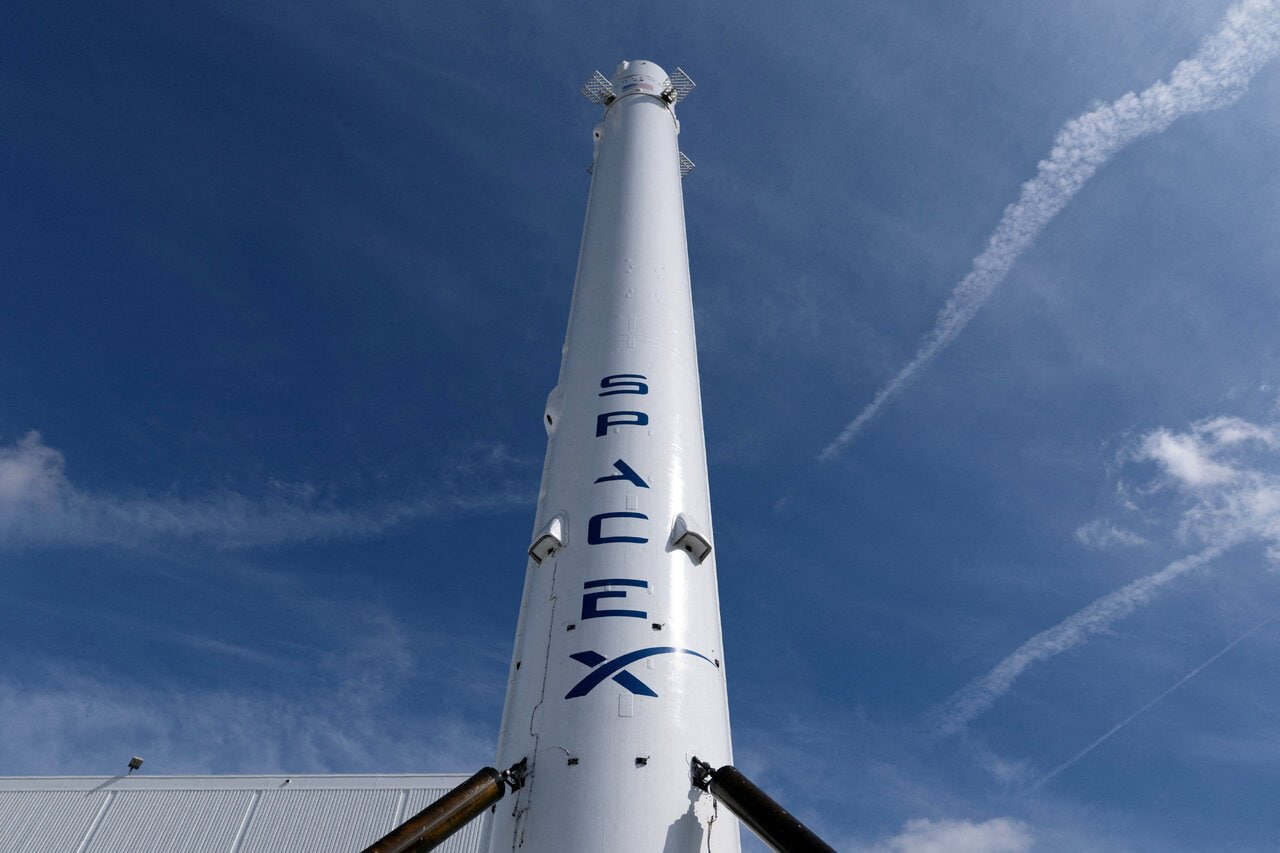
Before it goes public on Nasdaq on Friday, SpaceX (SPCX) priced its IPO on Thursday night at $135 a share. It will be the biggest IPO ever. At an expected market value of $1.78 trillion, the company will raise $75 billion. Elon Musk, CEO of Tesla, is now the world's first trillionaire. He was already the richest person in the world.
The prices were not normal. SpaceX set the price before it started its investor tour last week, so setting the price on Thursday was just a formality. The company is selling 555.6 million shares at $135 each, and underwriters have a "greenshoe" opportunity to buy an extra 83 million shares, which would be worth about $11.2 billion.
Reports say that SpaceX stopped taking orders on Wednesday, which was a day earlier than usual. This gave bankers all of Thursday to figure out how to divide up the space.
The Retail Angle: 30% Allocation, Four Times Oversubscribed
What's the biggest question that still needs to be answered? Reports say that SpaceX wants about 30% of its shares to go to individual investors. This is a lot more than the usual 5–10% that most IPOs get.
The last figure is still not sure what to do. Things were bought and sold through Charles Schwab, Fidelity, Robinhood, SoFi, and Morgan Stanley's E-Trade. Robinhood pushed its deadline up one day to Wednesday at 4 p.m. ET, though.
There seems to be a lot of demand. Reuters says that the IPO has been sold four times over. However, that number is often inflated by institutional buyers who add to orders to make sure they are allocated. Demand may be lower than expected, which adds to the confusion.
In a note released Thursday, Oppenheimer set a goal price of $190, which is 41% higher than the IPO price. A lot of other experts have already set goals above $135.
The Governance Risk: Musk's 84% Voting Power
Musk has almost complete power. He holds about 40% of the company's stock and more than 84% of the voting power because he owns both Class A and Class B shares. Meta's Mark Zuckerberg also has a dual-class system, but he only controls about 60% of the company, which is a lot less than Musk.
Because of how it is set up, SpaceX will not need any independent members on its board. A Harvard Law School study says that Musk "retains his lock on control" through Class B shares even if he sells Class A stock. This level of control comes with danger, since insiders can decide on business deals, the purchase of other Musk-owned companies, and his pay.
Musk's startup xAI was bought by SpaceX already. In 2025, xAI bought the social media site X. It was 2022 when Musk bought Twitter.
The Market Context: A Test Case for Trillion-Dollar Private Companies
A lot of people see the Nasdaq launch as a test case for other private companies worth close to $1 trillion, like Anthropic and OpenAI, which both recently said they are getting ready to go public, probably this year. How well or how poorly SpaceX does at its $1.78-trillion price will set the tone for these mega-IPOs.
Tom Mueller, who was the first person hired by SpaceX and is now the head of Impulse Space, told the BBC, "It's unbelievable to see what the company has become." He remembered when SpaceX's first rocket engine blew up and another one crashed before the launch into orbit in 2008. "It's just been an incredible ride." Mueller stopped working for SpaceX in 2020, but he still has a big cash stake in the company.
SpaceX is worth $1.78 trillion, which means that at its IPO price of $135, it was one of the most valuable public companies right away. Oppenheimer's goal price of $190 means that the stock could go up 41% if it gets a premium bid. The four-times oversubscription shows that there is strong demand, but the retail allocation confusion means that the opening price could be very different from what it is supposed to be.
It's a rise of $75 billion that tries how much the market can handle. With the "greenshoe" option for an extra $11.2 billion in shares, underwriters can meet demand without putting instant pressure on prices. But if retail sales are as strong as they say they are, the 30% allocation could make it hard to get enough supplies.
84% voting power is the risk of governance that institutional investors need to think about and price in. Musk's dual-class structure means that the board is not independent, shareholders can't stop deals between linked parties, and there is no way to change the way the company is run. The purchase of xAI sets a standard. It's possible that more Musk companies will merge.
On Friday, the Nasdaq opens for business. Keep an eye on whether the stock starts at a higher price than $135, which would support the trillion-dollar valuation, or whether the unusual way it is priced and worries about governance limit initial demand. People are keeping an eye on the Anthropic and OpenAI IPO processes. SpaceX is the example.


Bonus rebate to help investors grow in the trading world!