English




SpaceX IPO Eyes June 12 at $1.75T — The Biggest Listing in History

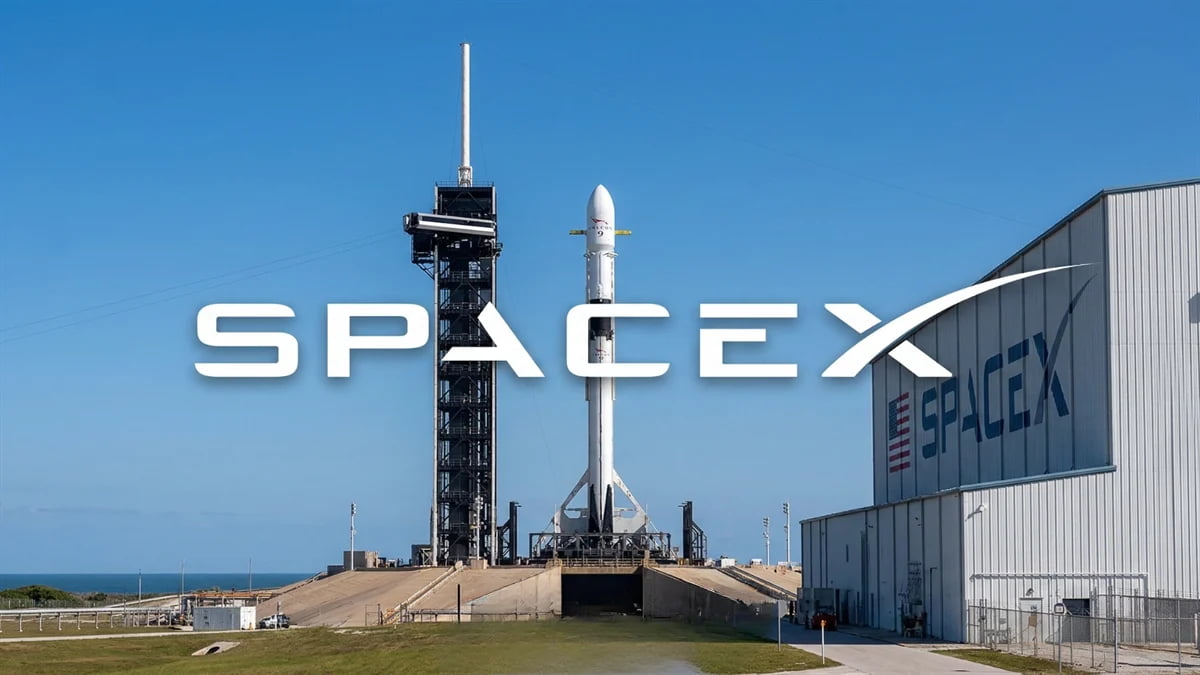
Reuters reports that SpaceX is speeding up its road to the public markets. The company plans to go public on the Nasdaq on June 12 under the ticker SPCX and will sell shares early the day before. The company plans to make a public announcement this week so that they can start getting investors excited about the June listing.
At a suggested valuation of $1.75 trillion or more, the debut would raise three to five times as much money as Saudi Aramco's $29.4 billion 2019 IPO, which is currently the biggest on record. SpaceX is expected to raise between $40 billion and $80 billion when it lists.
The value has changed at an incredibly fast rate. In late 2024, SpaceX was worth about $350 billion. It hit $800 billion in December 2025, then climbed to around $1.25 trillion after the xAI merger in February 2026. It is now trying to reach $1.75 trillion or more, which is a fivefold rise in about 18 months.
What SpaceX Actually Is at $1.75 Trillion
The suggested valuation is based on a price-to-sales ratio higher than 100 times, with an expected revenue base of $15 to $18 billion. This is a multiple that is much higher than any other large-cap company and assumes aggressive forward execution across three separate business lines.
Starlink is the main source of income and value. Tens of millions of people around the world use the satellite internet constellation, which brings in most of SpaceX's estimated income. The highest price range of $2 trillion is based on the idea that Starlink will continue to add subscribers and increase ARPU through the selling window.
Starship is what makes it possible. If the next-generation heavy-lift rocket can do regular commercial launches, it will make it much cheaper to put infrastructure in orbit. This will turn SpaceX from a satellite internet company into the logistics layer for computing, manufacturing, and communication in space.
The newest story point is orbital AI data centers. Anthropic and SpaceX have announced a relationship that could include data centers for artificial intelligence in orbit. Last week, it was said that Google was in talks with SpaceX to send rockets into orbit for artificial intelligence infrastructure. These aren't today's sales; they're the forward multiplier that the $1.75-trillion value thinks is likely.
The xAI merger that happened in February is a key strategic part of this theory. Musk has made it clear that SpaceX and xAI will provide the infrastructure for orbital AI computing. Starship will launch the satellites, Colossus-class computing will run the models, and Starlink will connect the orbital infrastructure to users on Earth. The main analytical question before the listing is whether this vertical merger adds value or makes things more complicated.
How Public Investors Are Already Positioning
SpaceX will stay private until June, when it goes public, but the IPO date has already given listed proxies and thematic funds a lot of steam.
Rocket Lab (NASDAQ: RKLB) has gone up 57% since March 25 as investors look for stocks that can be traded in the space market. Between those two dates, Intuitive Machines has gone up 46% and Firefly Aerospace has gone up 36%.
The ARK Space Exploration ETF (ARKX) gives buyers a wide range of launch, satellite, and orbital infrastructure names to choose from if they want to get exposure to a theme without focusing on just one stock.
Morgan Stanley formalized the investment world with its Space 60 list of names in the space economy that can be invested in. About 24 of those names have doubled in value so far this year, which shows that speculative positioning has moved beyond pure-play launch operators and into areas like satellite communications, data processing, and supporting cloud infrastructure.
Alphabet (GOOGL) is in the next group because of Google Cloud's exposure to satellite communications and its stated talks about building a data center in space for SpaceX.
The Valuation Risk That History Keeps Flagging
At the $1.75 trillion goal, the 100x price-to-sales multiple is the one that buyers need to be the most careful with. As an example, Nvidia, the semiconductor company that is most directly building out AI infrastructure, trades at a recent value of about 25 to 30 times forward sales. If you price SpaceX at $1.75 trillion, you're assuming that Starlink subscriber growth, regular commercial launches of Starship, and orbital AI income will all come together in a way that none of these companies has shown work on a large scale yet.
Post-IPO lockups raise risk in the short run. When early lockup periods end and private supply starts to come into the market, prices have dropped significantly for many high-multiple listings. When lockup periods end, which usually happens 90 to 180 days after listing, SpaceX's employees, early investors, and strategic partners will have built up stock at much lower values. This will create a big overhang.
For most investors, listed proxies like Rocket Lab, Intuitive Machines, and ARKX are still the cleanest way to show the space theme, rather than participating in IPO week at the suggested valuation.
The present goal is June 12. This week's announcement will make it clear if the schedule stays the same or changes.
Three things to keep an eye on: whether SpaceX's price stays at or above $1.75 trillion (indicating that institutional demand is covering the multiple), how many Starlink subscribers are listed in the IPO prospectus (this is the single most important revenue confirmation), and whether the partnerships between Google and Anthropic orbital data centers are formalized with business commitments or are still just an idea.
The size of the IPO will be unprecedented. Whether the valuation is sustainable relies on whether orbital AI compute goes from story to revenue within the 3–5 year window that the multiple is pricing for.


Bonus rebate to help investors grow in the trading world!