English




USD/JPY Steadies at 158.50 With Intervention Risk Rising

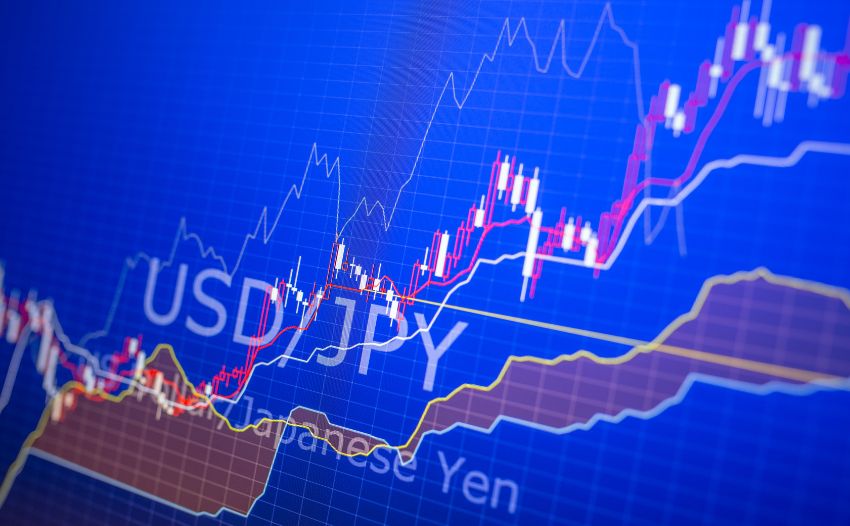
The Japanese yen recovered some of its early losses against the US dollar on Tuesday. During the European session, USD/JPY settled around 158.50, having briefly touched 159. This was too close to the 160 level where Japanese authorities stepped in to protect the currency in 2024, which was not a good sign.
The pair changed direction along with a general rise in risk appetite after President Trump put a five-day hold on strikes against Iran's power grid. This caused the DXY to drop from an afternoon high of 99.45 to level off near 99.15, while S&P 500 futures went up around 6,600.
There are now two forces pulling USD/JPY in different directions at the same time, and the tension between them is rising.
Japan Steps Up the Currency Warning Rhetoric
Tuesday, Tokyo's Finance Minister Satsuki Katayama made the city's language more direct by saying the government was ready to act "on all fronts" to deal with yen betting volatility. That's on purpose—in the past, Japanese officials have gone from giving verbal warnings to directly stepping into the market when USD/JPY approaches or breaks 160, which is a level that the pair is now very close to.
The Middle East strife is built into the way the yen is weak. About 90% of Japan's oil comes from this area. This means that a long-term closure of the Strait of Hormuz doesn't just affect global energy markets; it also directly raises Japan's import costs, puts pressure on the current account, and weakens the yen through real trade routes instead of just speculation. The dollar has gained 1.3% against the yen so far this year, and 5.9% over the last 12 months. This is because of the growing pressure from the U.S.-Israeli war on Iran.
As long as the yen stays weak, carry trade moves into U.S. assets will continue, which indirectly supports the dollar. The risk, which people who trade currencies are well aware of, is that a sharp yen reverse, which could be caused by intervention or a sudden BoJ pivot, could quickly undo those trades, making markets much more volatile than just the USD/JPY pair.
BoJ's Ueda Signals Wage-Price Cycle Intact — With a CPI Caveat
Tuesday, Kazuo Ueda, Governor of the Bank of Japan, gave a cautiously positive outlook on domestic inflation. He said that the BoJ expects "underlying inflation to accelerate moderately" and pointed to a tight job market and active wage-setting behavior as reasons for this. Ueda's language makes an April rate hike very likely. This would help the yen by reducing the difference in interest rates between Japan and the US, where rates are currently held at 3.50 to 3.75% with only one cut planned for 2026.
The problem is that Japan's National CPI excluding Fresh Food for February came in at 1.6% YoY, which was less than both the 1.7% estimate and the previous reading of 2.0%. This was the first reading below goal in almost four years. That miss gives BoJ "doves" a reason to argue against a move in April and creates real doubt in a rate hike plan that the market had been growing more confident about.
The USD/JPY is at 158.50. This pair is like a tight rope walk. If the Bank of Japan raises the interest rate in April the USD/JPY will go down.. If they do not raise the rate especially if the inflation rate is lower than expected the yen will stay weak and there is a chance that the government will intervene in the market.
At the time if there is fighting again in the Middle East after the five day period is over the price of oil will go up. This will put pressure on the yen because Japan has to import oil and it could make the USD/JPY go up to 160 quickly.
We need to keep an eye on the 160 level. If the USD/JPY gets close to this level because the price of oil goes up again or people get nervous, about the market the Japanese government will probably do something to stop it. They will not just stand by. Watch it happen again.


Bonus rebate to help investors grow in the trading world!