English




Walmart (WMT) Stock Analysis 2026: Ad Growth, Ecommerce & Valuation

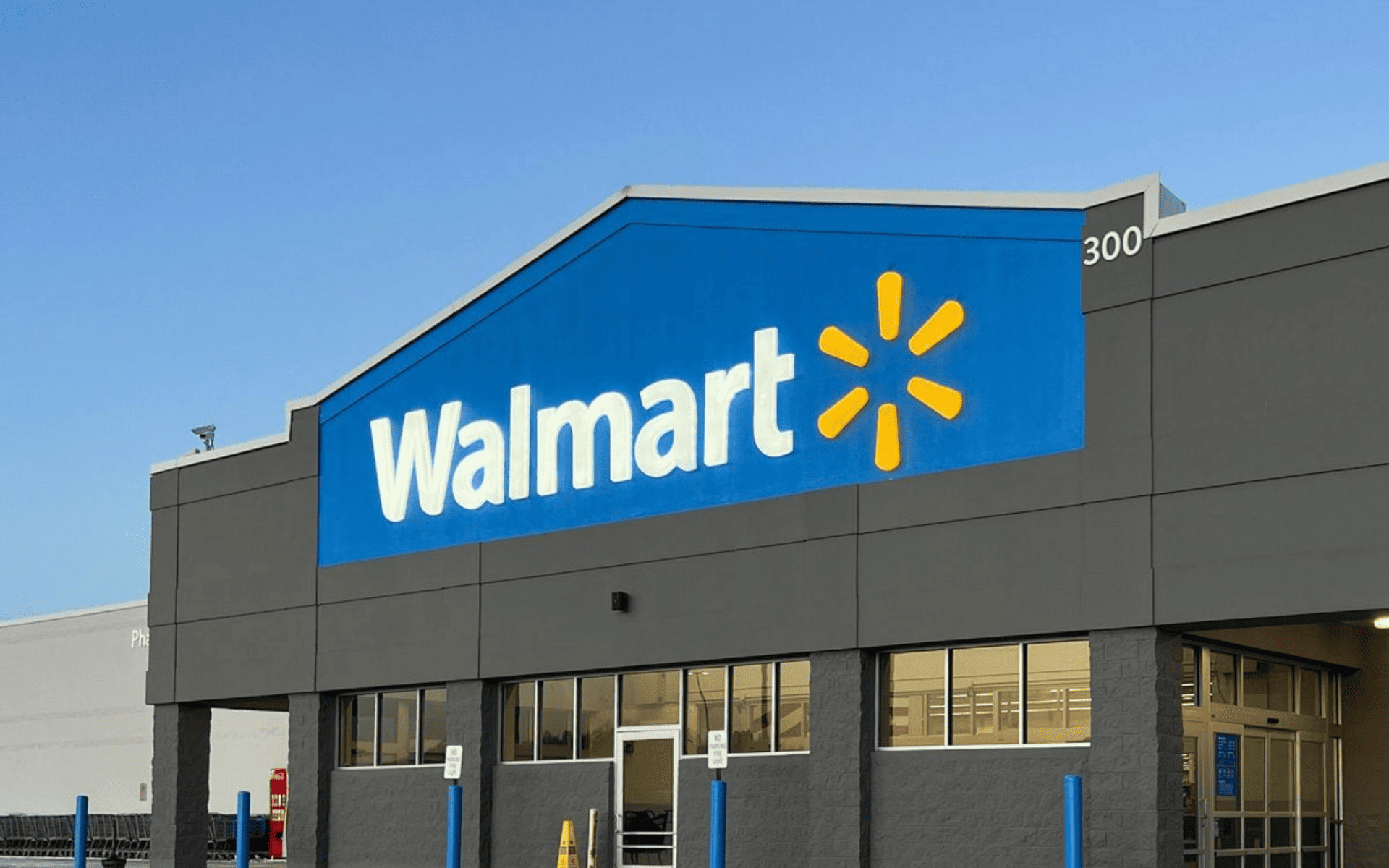
Walmart shares were trading near $121 on June 11, 2026, a market cap of roughly $965 billion that sits tantalizingly close to the trillion-dollar threshold. Year-to-date, WMT has returned approximately 9%, comfortably ahead of the S&P 500's 6.2% gain — and that's after pulling back more than 10% from a May high of $135.16. On the surface, this is a mature, defensive retailer with modest same-store sales growth. But Q1 FY2027 (ended April 30, 2026) told a structurally different story: advertising revenue up 37%, third-party marketplace GMV up a record 50%, and ecommerce up more than 25%. Numbers like those don't belong in a traditional grocery-and-general-merchandise earnings release — they belong in a media and technology company's results. That tension between how Walmart is valued (a defensive consumer staple at 41–42x trailing earnings) and what its fastest-growing businesses actually look like (a high-margin ad and marketplace platform) is the central analytical question for WMT investors in 2026.
The Ad Business Is No Longer a Side Story
Walmart Connect, the company's advertising unit, has grown into the third-largest retail media network in the United States — and Q1's 37% year-over-year growth rate suggests it is still in its expansion phase rather than maturing. The business logic is straightforward: Walmart reaches over 240 million customer visits per week across physical stores and digital platforms, and that purchase-intent data is increasingly valuable to brands that need to reach consumers close to the point of decision. Unlike Google or Meta, where ad impressions happen well upstream of purchase, Walmart's ad inventory sits inside a buying environment — a premium that CPG brands, electronics makers, and consumer goods companies are demonstrably willing to pay at rising rates.
The marketplace platform's 50% GMV growth rate compounds this dynamic. Third-party sellers using Walmart Fulfillment Services generate commission and logistics revenue that, unlike first-party retail, requires no inventory carry and minimal gross margin compression. This is structurally the same model that Amazon built its high-margin Services segment on — Walmart is replicating it roughly a decade later, with a lower base and therefore more runway before growth rates normalize.
The critical implication for investors: if advertising and marketplace continue growing at anything close to current rates, they will progressively shift the mix of Walmart's consolidated operating profit toward higher-margin sources — and that mix shift alone can sustain or expand the current premium valuation even without heroic assumptions about same-store sales acceleration.
7,200 Price Cuts as a Market Share Weapon
Walmart executed 7,200 price reductions in Q1 — a deliberately aggressive posture in a consumer environment shaped by lingering inflation sensitivity and tariff-driven cost uncertainty. The strategic intent is visible in the outcome: customer count growth registered across all income demographics, not just lower-income households. Upper-income consumers trading down from premium-price competitors represent genuine incremental market share capture, and historically, consumers acquired during a value-seeking period exhibit meaningful retention even after macro conditions improve.
Management reiterated full-year FY2027 guidance of 3.5–4.5% constant-currency sales growth (biased toward the top of the range), with operating income growth of 6–8% — a spread that only makes structural sense if higher-margin businesses are growing faster than the consolidated revenue line, which is precisely what advertising and marketplace data confirm. Q2 sales growth is guided at 4–5%, which implies sequential stability rather than acceleration, keeping expectations reset at a level the company is unlikely to miss barring a sharp macro deterioration.
Three Signals to Watch at the August Earnings Report
Q2 FY2027 results are expected in mid-August 2026. Three data points will determine whether WMT re-rates toward analyst targets or continues its sideways consolidation:
Advertising growth rate — A Q2 ad revenue growth rate above 30% would reinforce the structural thesis and justify the premium valuation. A deceleration below 25% would raise questions about market saturation within the current customer base and likely pressure the stock toward the $110–$115 support range.
Tariff pass-through and gross margin — Walmart's product mix includes categories with material import exposure (apparel, electronics, home goods). Q2 will reveal how much of the tariff cost increase the company absorbed versus passed to consumers versus offset through supplier negotiations. Gross margin compression of more than 30–40 basis points would signal that pricing power is insufficient to hold the current profitability trajectory.
Sam's Club post-transition momentum — Recent senior management changes at Sam's Club have introduced modest execution uncertainty. The Q2 Sam's Club comparable sales number will be the most direct read on whether the management transition has disrupted the unit's growth — Sam's has been one of Walmart's more consistently performing segments over the past two years.
Does a 41x Multiple Make Sense for a Grocer?
The honest answer is: not for a grocer, but potentially for a grocer that is also becoming a meaningful advertising platform and logistics marketplace. At 41–42x trailing earnings, WMT trades at roughly double the multiple of traditional mass-market retailers. The valuation is defensible if advertising and marketplace compound at 25–40% annually for the next three to four years, progressively lifting consolidated operating margins toward the 5–6% range from the current roughly 4–4.5%.
The risk is twofold. First, advertising revenue is not immune to macroeconomic cycles — brand marketing budgets typically contract before consumer staples spending does, meaning ad growth can slow faster than sales growth in a downturn. Second, the marketplace model requires sustained seller acquisition investment, which is both capital-intensive and competitively pressured by Amazon's far more established third-party ecosystem.
Analysts at RBC, Bernstein, and KeyBanc have maintained Buy ratings, averaging a $138–$140 target. A minority have downgraded to Hold on valuation grounds — a reasonable position given that at the current price, the margin for error on the premium multiple is limited. The dividend aristocrat status and strong operating cash flow provide a valuation floor, but for investors requiring a traditional margin of safety, the entry point is more compelling closer to the $110–$115 range that would correspond to a 36–38x multiple.
FAQ
Q1: What is the analyst price target for Walmart (WMT) stock in 2026?A: As of June 11, 2026, the consensus average price target from analysts covering WMT is approximately $138–$140, with a high-end target of $155 and a low of $120. This implies roughly 15–17% upside from the current price of around $121. The majority of analysts rate the stock a Buy or Strong Buy.
Q2: Why is Walmart's advertising business important for its stock valuation?A: Walmart's advertising unit (Walmart Connect) grew 37% year-over-year in Q1 FY2027, and its third-party marketplace GMV surged a record 50%. Both segments carry materially higher margins than Walmart's core retail business, meaning their continued growth shifts the consolidated profit mix toward higher-quality earnings — the structural basis for Walmart's premium 41–42x P/E multiple.
Q3: When does Walmart report Q2 FY2027 earnings, and what should investors watch?A: Walmart's Q2 FY2027 results are expected in mid-August 2026. The three key metrics to track are: whether advertising revenue growth holds above 30%, the degree of tariff cost pass-through affecting gross margins, and Sam's Club comparable sales following recent management changes.




Bonus rebate to help investors grow in the trading world!