English




India refuses to lower soybean and corn tariffs, US-India trade talks may be strained

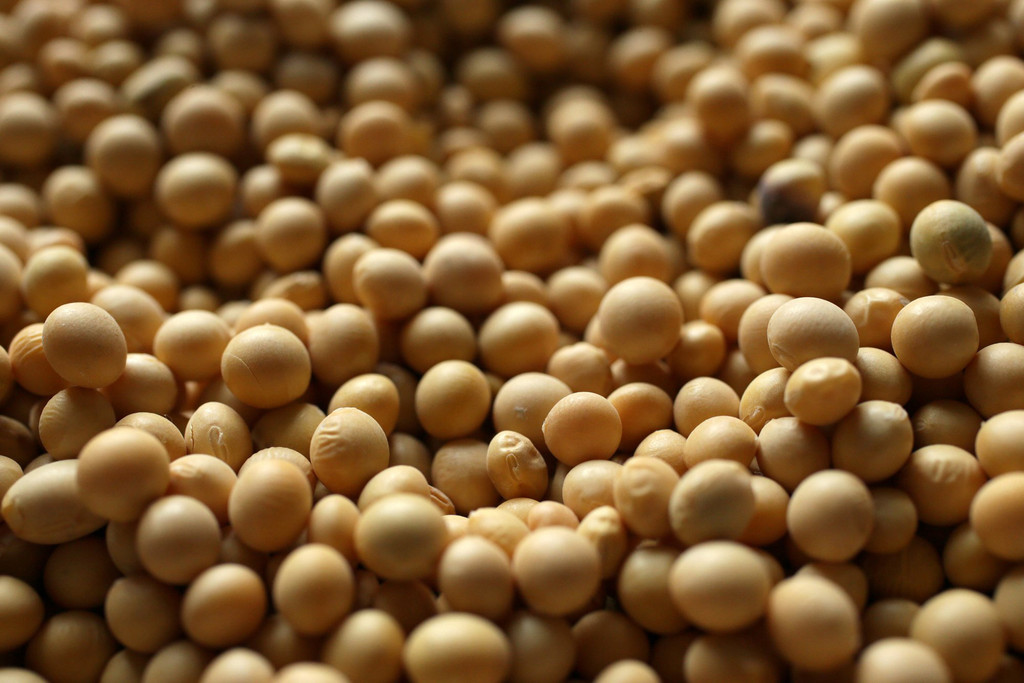
India and the United States are negotiating the first phase of a bilateral trade agreement. The United States insists on reducing tariffs on agricultural products such as soybeans and corn, but the Indian government explicitly refuses to cooperate, pointing out that it may impact the livelihoods of millions of farmers and the domestic non-GM oilseed market, which has just been allowed to have limited sources. This has caused a major obstacle to the negotiations. There are reports that the negotiations have stalled and the first phase of the agreement may be delayed.
India is a major agricultural country, and food and feed crops are related to people's livelihood. Its soybean and corn tariffs are currently maintained at 30-50%, and there are strict restrictions on genetically modified agricultural products. It refuses to import agricultural products that do not meet food safety and non-GM verification standards. Even though some scholars have suggested opening up GM crops for biodiesel and processing purposes, the Indian industry still strongly opposes it, and the import plan may not be implemented as expected.
Negotiation bottlenecks and market impact
Risk of delayed negotiation schedule
It was originally expected that a partial agreement would be reached before July 9 to avoid mutual tariffs, but if India insists on maintaining the current agricultural tariffs, the confirmation of the draft agreement will be further delayed.
US agricultural product exports are blocked
The window of opportunity for US soybean and corn exports to India is limited, and with India's requirement to open up high-value agricultural products, bilateral cooperation is definitely facing challenges.
Fluctuations in global food prices and supply chains
If the negotiations stall, India will continue to impose a conservative blockade on US agricultural products, which may prolong the global soybean supply and demand deadlock, and European and American crop price expectations will still fluctuate.
Investor focus and strategy
Agricultural sector and raw material ETF: US dollar-denominated soybean and corn futures will continue to be restricted, and it is recommended to pay attention to the CBOT (Chicago) futures market.
Fluctuations in related agrochemical stock prices: If the negotiations of ADM, Bunge, and Corteva fail, US agrochemical stocks will face short-term pressure.
Geo-transfer targets: India may turn to Brazil and soybean exporting countries, and related industries and logistics will benefit.
Time window for negotiation progress: Pay attention to whether the two sides will launch a new round of compromise and negotiation in early July, which will affect the market's expectations.


Bonus rebate to help investors grow in the trading world!